
Running a Festival Booth: Weather, Power, and Flow Are Planned Differently Than Indoors
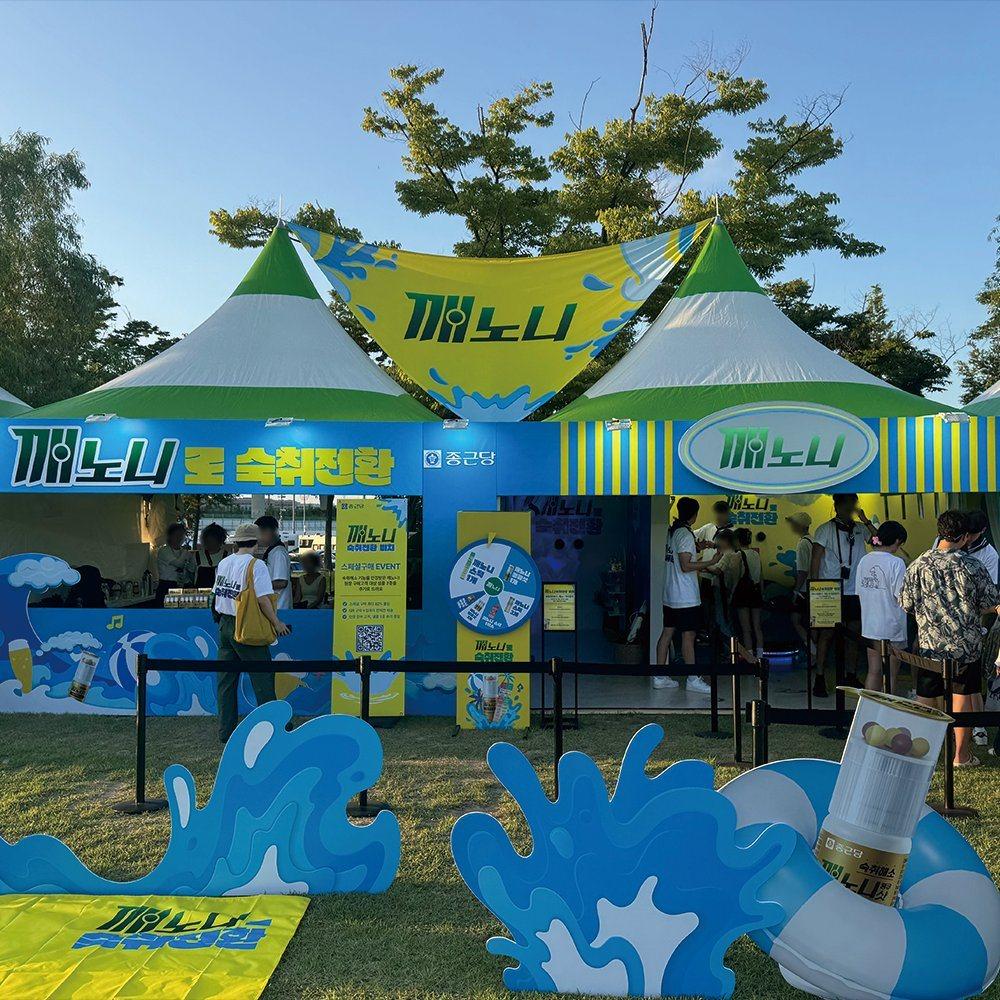
"The booth is all set up, and now they say it's going to rain." Anyone who has worked an outdoor event has heard that line.
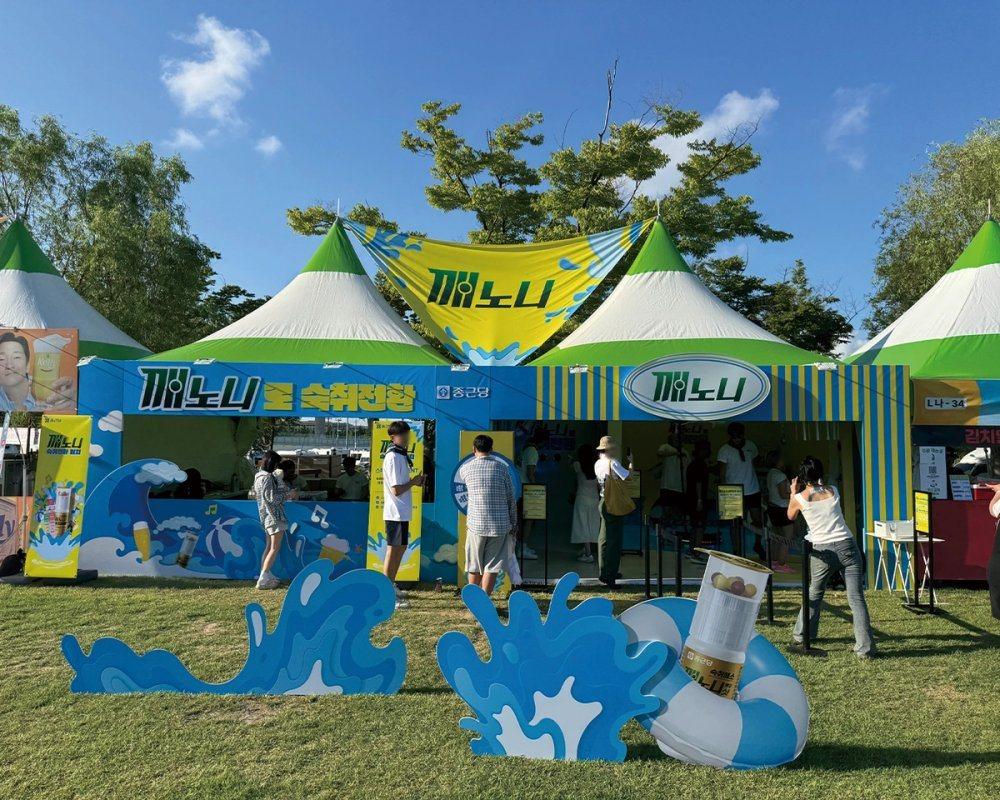
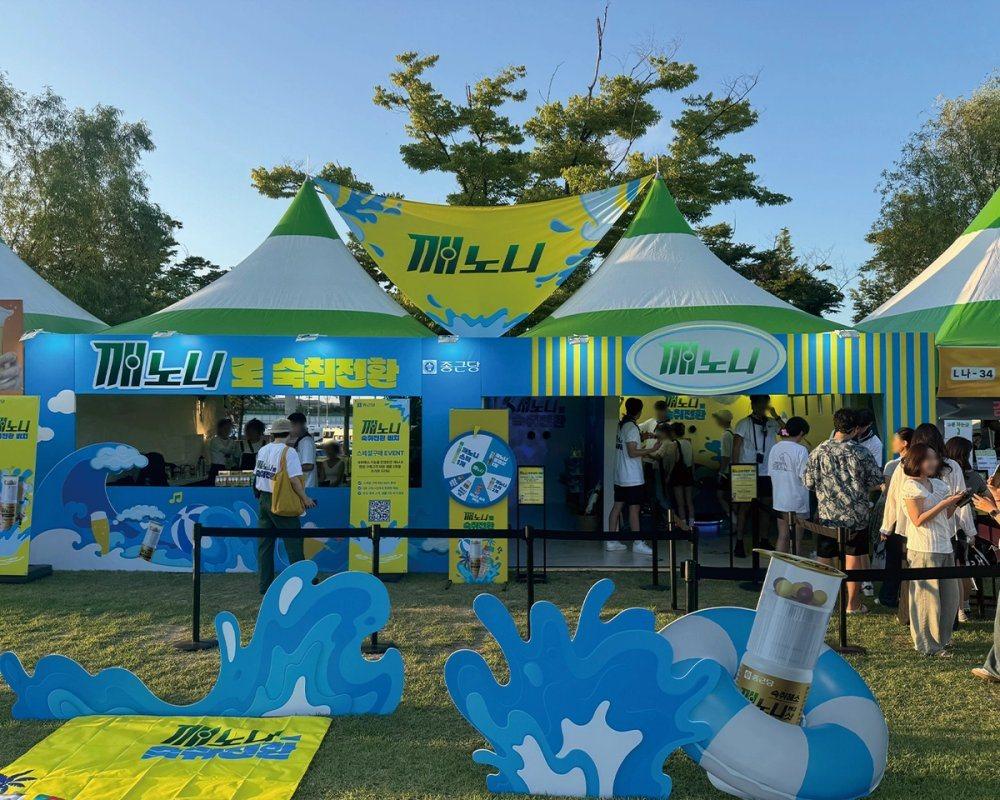
We handled event operations for the experience booth of KKAENONI, Chong Kun Dang's hangover-relief brand, at the Songdo Beer Festival, held from August 22 to August 30, 2025 at Songdo Moonlight Festival Park in Yeonsu-gu, Incheon. It ran from 4:30 p.m. on weekdays and from 1:30 p.m. on weekends, until 10 p.m., and this timetable alone makes the preparation list different from an indoor exhibition.
An indoor booth goes into a space that already has heating, cooling, and electricity, so you can focus on design and content. Outdoors is different. You have to start from the ground up. Weather, power, flow, and safety are all variables that have to be built anew on site.
Weather has to be treated as a response manual, not a forecast. A rain forecast is not the end of it. Reinforcing the tent, waterproofing electronics, and preventing slippery floors all move together. An event like the Songdo Beer Festival, which runs for nearly 9 days, has a high chance of the weather changing midway, and each time the booth staff have to respond right away. This is especially true of spots where people linger, like photo zones and sampling tables.
Wind is also a variable. Banners, standing signs, and temporary structures become safety accidents in themselves if the wind knocks them over. That is why, for an outdoor operations team, checking the weather is the first task on arriving at the site in the morning. Indoors, that is the time you would simply start getting the booth ready to open.
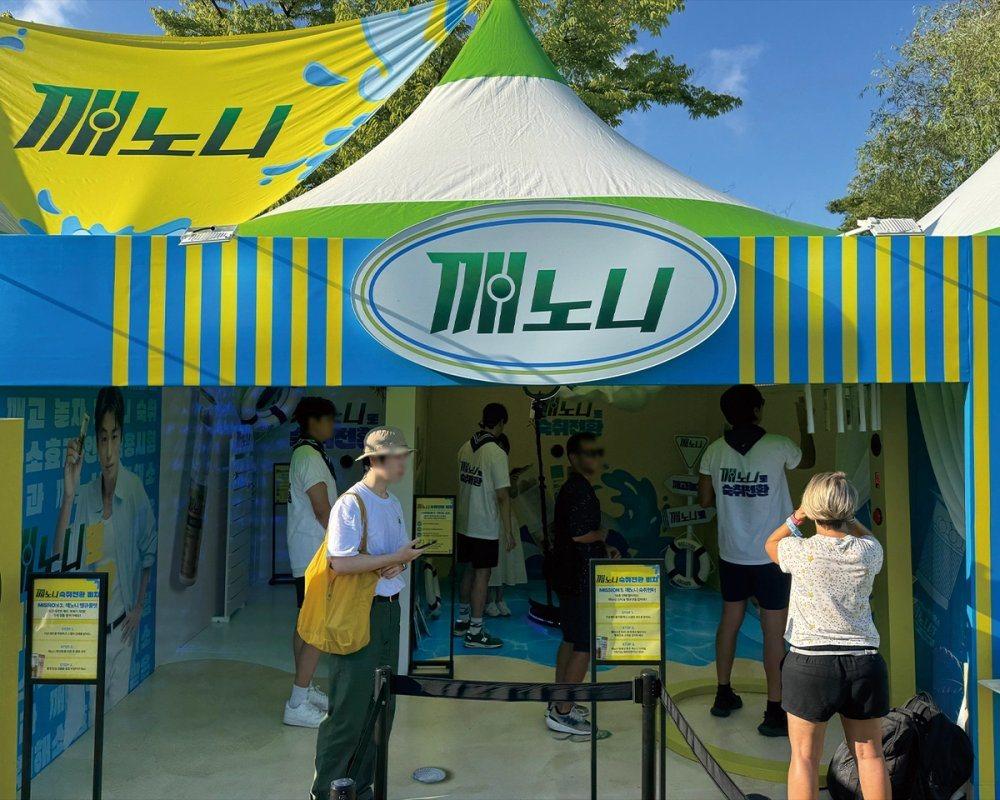
Power is work that has to be finished before the event. Outdoors, electricity is not a given. Whether you use a generator or bring in temporary power, capacity calculations and cable routing have to be done before the event starts. If power runs short during operation, the photo zone lighting and information screens are the first to go off. There is not much on-site staff can do about it on the spot.
Letting cables run loose over the ground is also a cause of accidents. In sections with heavy visitor traffic, cables have to be covered with ducts or buried, and this work also has to be finished before operation begins. Calling the electrical team back in during the event is something to avoid as much as possible.
Safety flow should not be planned by indoor standards. Indoors, walls and aisles already exist, so the flow is more or less set. An outdoor event site has none of that. Visitors can come in from any direction, and the booth can overlap with other booths or performance stages. At the KKAENONI booth, we handled visitor flow management, safety management, and event guidance together, and these three should not be viewed separately. When flow gets blocked, safety wavers along with it.
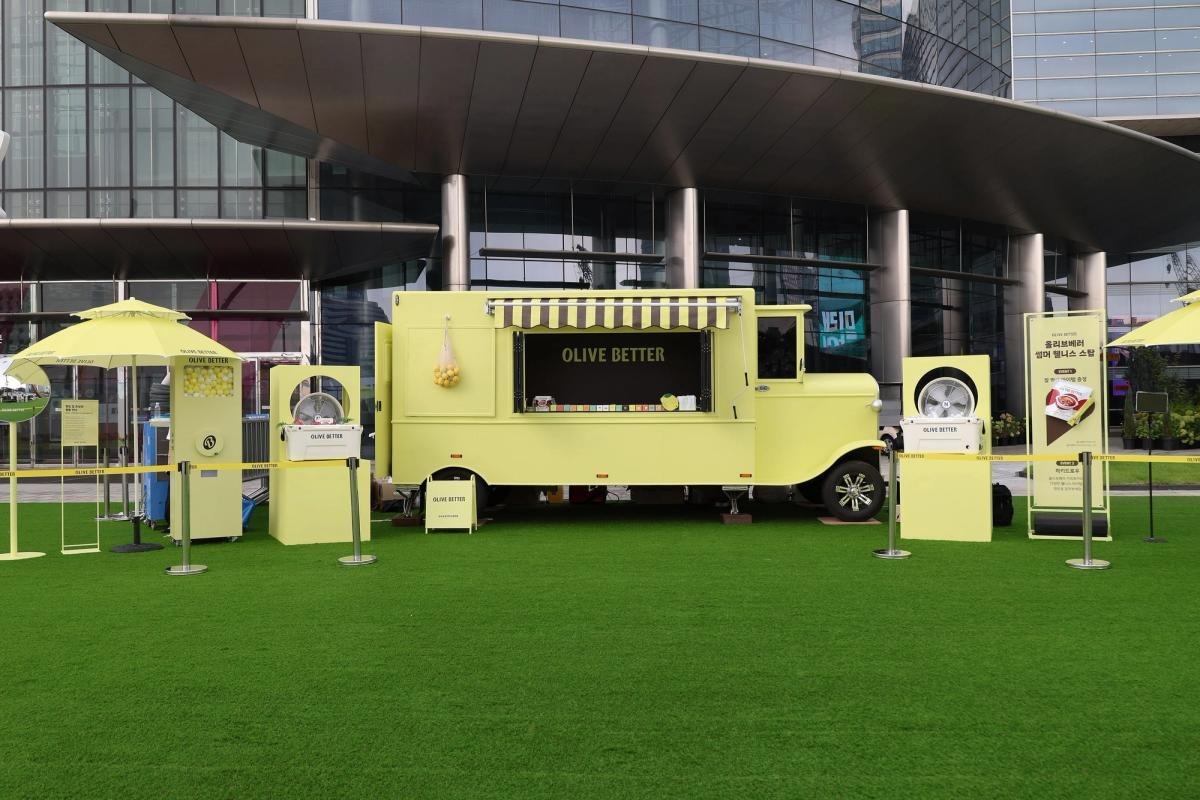
Mobile sites need a different kind of preparation. Some events do not stay in one place but move around. The Olive Better Summer Wellness Stop moved between 5 locations, including COEX Plaza, at 2-day intervals, and TL CREATIVE handled everything from planning to space design, VMD, fixture production, and on-site operation. When the location changes, the power environment, ground conditions, and permit requirements change every time, so the checklist has to be run again before each move.
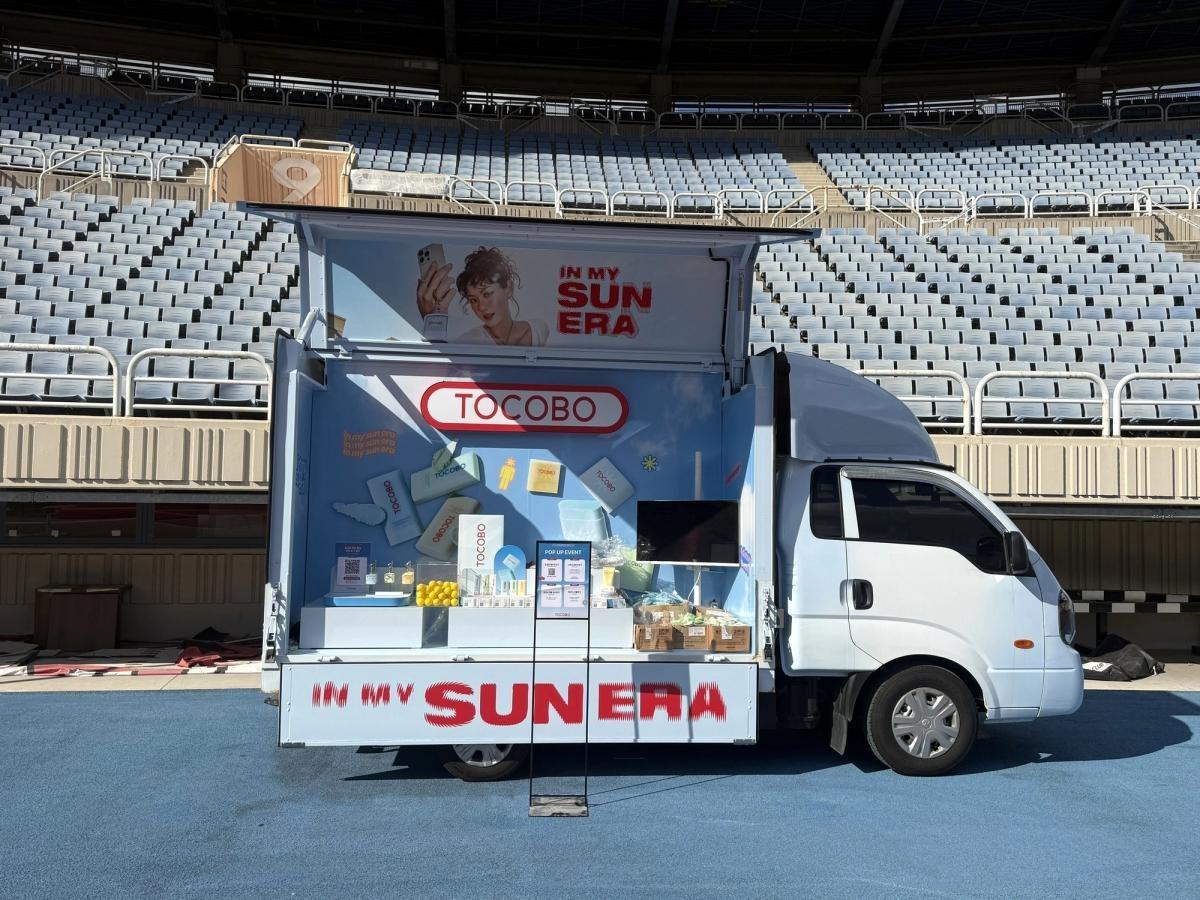
TOCOBO's IN MY SUN ERA moving popup had a similar structure. It was an event that moved by truck around Seongsu and the area around Bucheon Sports Complex, and we handled operations at the sites it moved to. Even when the location changes, the standards for visitor service and safety management have to stay the same, and that takes more work than you might think.
In the end, the checklist is different. If you use an indoor exhibition booth checklist as-is outdoors, something always gets left out. Weather response, power capacity, flow design, and rechecking on each move — these four are items that need separate attention only at outdoor and mobile sites, and they have to be planned again every time, regardless of the event's size.
There is one more: how roles are divided among operations staff. At an indoor booth, one person can handle both guidance and visitor service, but outdoors the flow is wide and there are many variables, so it is safer to assign safety management and visitor service separately. Dividing roles, even when fewer people are on hand, is the basics of outdoor operation.
If you are preparing to run an outdoor event or a mobile popup, we recommend drawing up a weather, power, and flow checklist first. Through 300+ space projects, TL CREATIVE has dealt with sites like these again and again. We take inquiries through our website.
Original: https://tlcreative.co.kr/projects/songdo-177