
Exhibition Booth Operations: Why the Build Team and the Operations Team Go In Separately
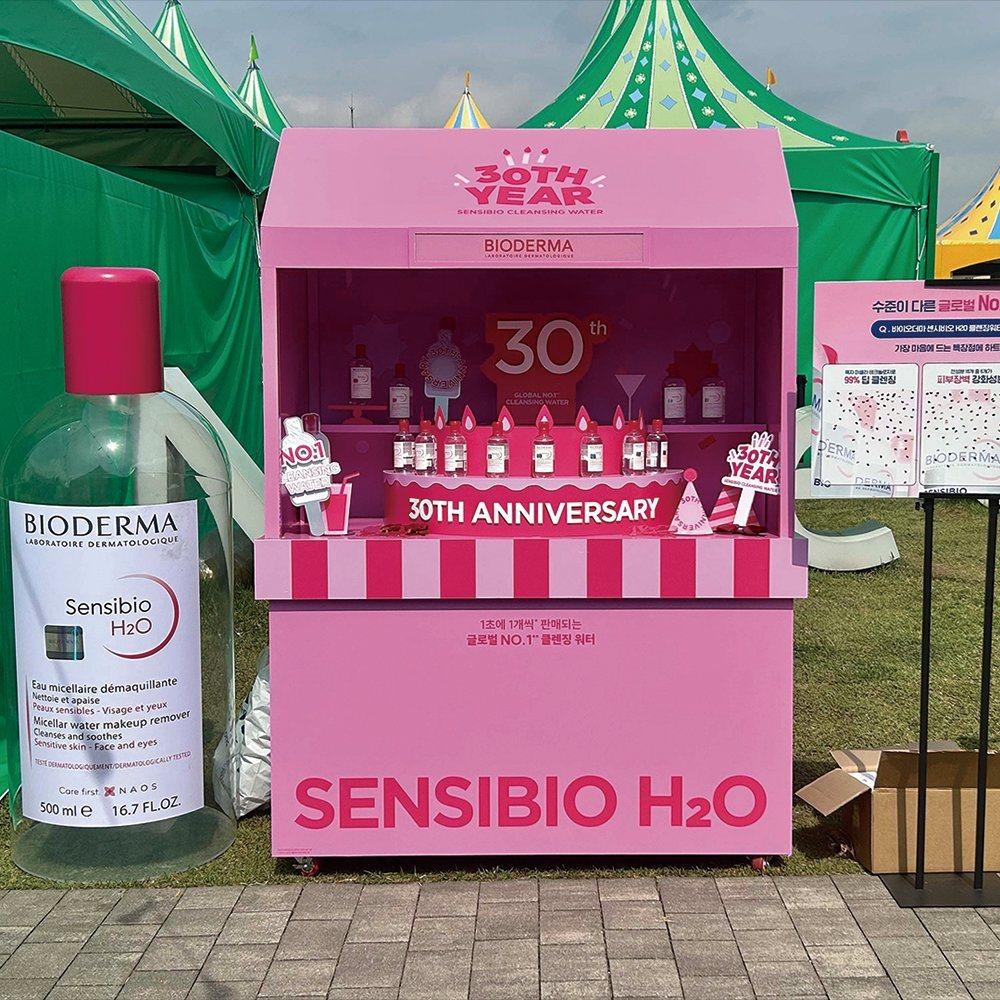
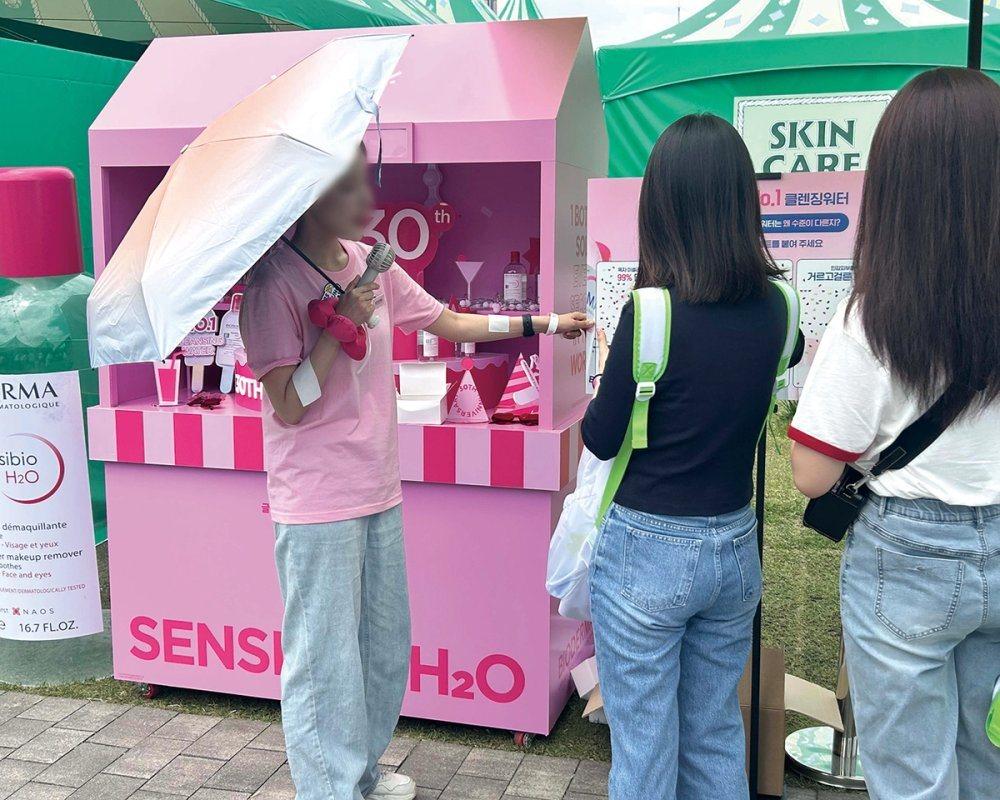
From Wednesday, May 21 to Sunday, May 25, 2025, the 2025 Olive Young Festa was held on Nodeul Island in Yongsan-gu, Seoul. TL CREATIVE handled event operations for the BIODERMA booth there. Whether it is a trade fair or an outdoor festival, the question “So who builds it, and who runs it?” always comes up at least once when you prepare an exhibition booth, and this piece is about that boundary.
Who builds the booth, and who runs it
They are usually different teams. For a standard shell booth at an exhibition hall, the organizer often handles installing and dismantling the structure, signage, and info desk, and provides basic power as well. With an independent booth, the exhibitor selects a booth contractor and hands installation and dismantling over to them. Either way, it is rare for the brand itself to pick up a hammer.
Events like Olive Young Festa, where many brands go into one outdoor space, are structured in a similar way. The overall structures, such as tents, the stage, and flooring, are usually put up by the organizer or a contractor the organizer designates, following the build schedule for the whole event, and each brand moves into that frame and brings in its operations staff. What we handled at this BIODERMA booth was that operations side.
Why the line is drawn this way
The reason is simple. Building and operating require completely different skills. Installing structures is the job of a booth contractor who knows materials, labor, and safety rules; greeting visitors on site, explaining products, and running events is the job of service staff. When one team tries to do both, its skill tends to slip on one side or the other.
Scheduling plays a part too. At an event with many brands, the build moves on the overall event build timeline, while each brand’s operations staff come in on opening day, so the two are often separated. It also divides responsibility. If something goes wrong with a structure, it is the contractor’s responsibility; if something goes wrong with on-site service, it is the operator’s — when the line is drawn like that, problems get handled faster when an incident happens.
Where the operations team takes over
Usually the operations team takes over at the final pre-opening check, after the structures are finished and the fixtures and signage are in. What needs checking at that point is simpler than you might think: whether the circulation is open as designed, whether the info desk and product displays are where the drawings say, and whether power and lighting work properly. Fixing structural defects is not the operations team’s job; that has to go back to the build team.
There is also information the operations team should receive in advance during this handover: daily operating hours, restricted circulation zones, the emergency response line, and so on. The BIODERMA booth ran from 10:00 to 20:00 each day, and within those hours we handled entrance guidance and visitor flow management.
What we did at the BIODERMA booth
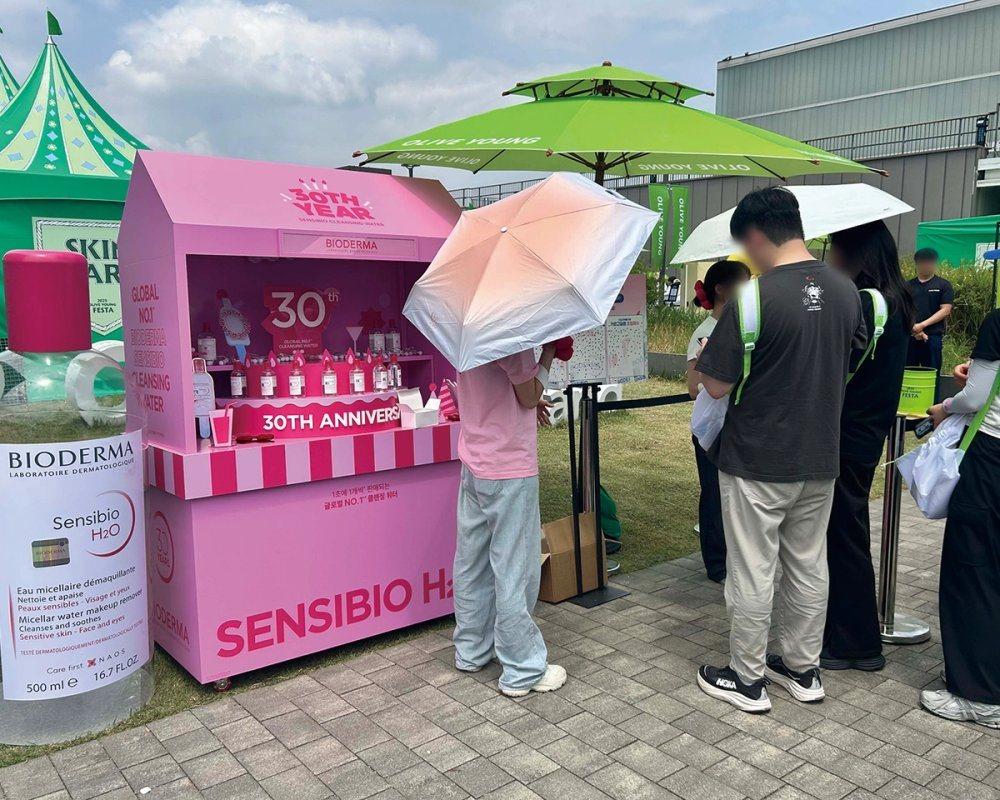
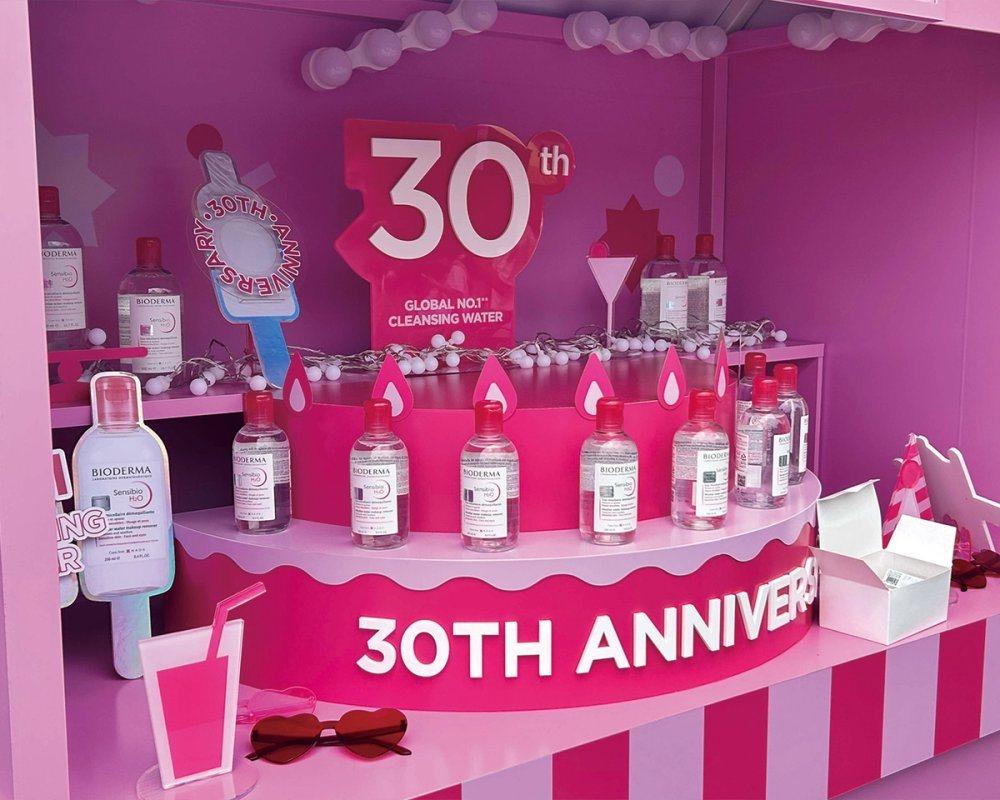
Throughout the event we focused on three things: entrance guidance and visitor flow management, product guidance and event operation, and preventing safety incidents on site. Building structures and load-in and load-out work were not in our scope. Because it was an outdoor event running for five days, crowds sometimes bunched up at certain times of day; we identified those windows in advance and responded by redeploying guidance staff.
Preventing safety incidents takes more work than you would expect. At a booth with hands-on content, you have to keep checking with your own eyes, from the condition of the floor and the corners of fixtures down to how the cables are tidied. Big accidents almost never happen, but when small tripping points pile up, something eventually goes wrong there.
Why you cannot just pull out early
In the exhibition and trade fair industry, it is common to have a clause stating that removing structures before the closing day requires the organizer’s prior approval. There are cases where a fine is charged if you are caught clearing out early without approval. Operations staff can easily assume they do not need to know this rule, but in practice you have to know that the end of operations and the time you are allowed to move things out are different, or there will be confusion on site.
Since these rules differ from exhibition to exhibition, rather than assuming “every event works this way,” it is safer for the operations team to check that event’s move-out rules separately before going in. Even if the team that builds and the team that runs are separate, on this point both sides need to share the same information to get through without incident.
What to check before outsourcing operations
In the end, the key is deciding in advance where each role stops and where the next one picks up. If it is not documented how far the build team is responsible and from where the operations team takes over, you will inevitably end up with each side pushing things onto the other on site. We recommend sorting this out first, at the contract stage.
If you are considering outsourcing exhibition or trade fair booth operations, start by asking how the structure handover point and the scope of operations have been divided. That is what decides who moves when something goes wrong on site.
For inquiries about exhibition and trade fair booth operations, see the original project page below. https://www.tlcreative.co.kr/projects/bioderma-112