
Running a Beauty Class Popup: This Is How We Manage the Line for an Artist's Demo
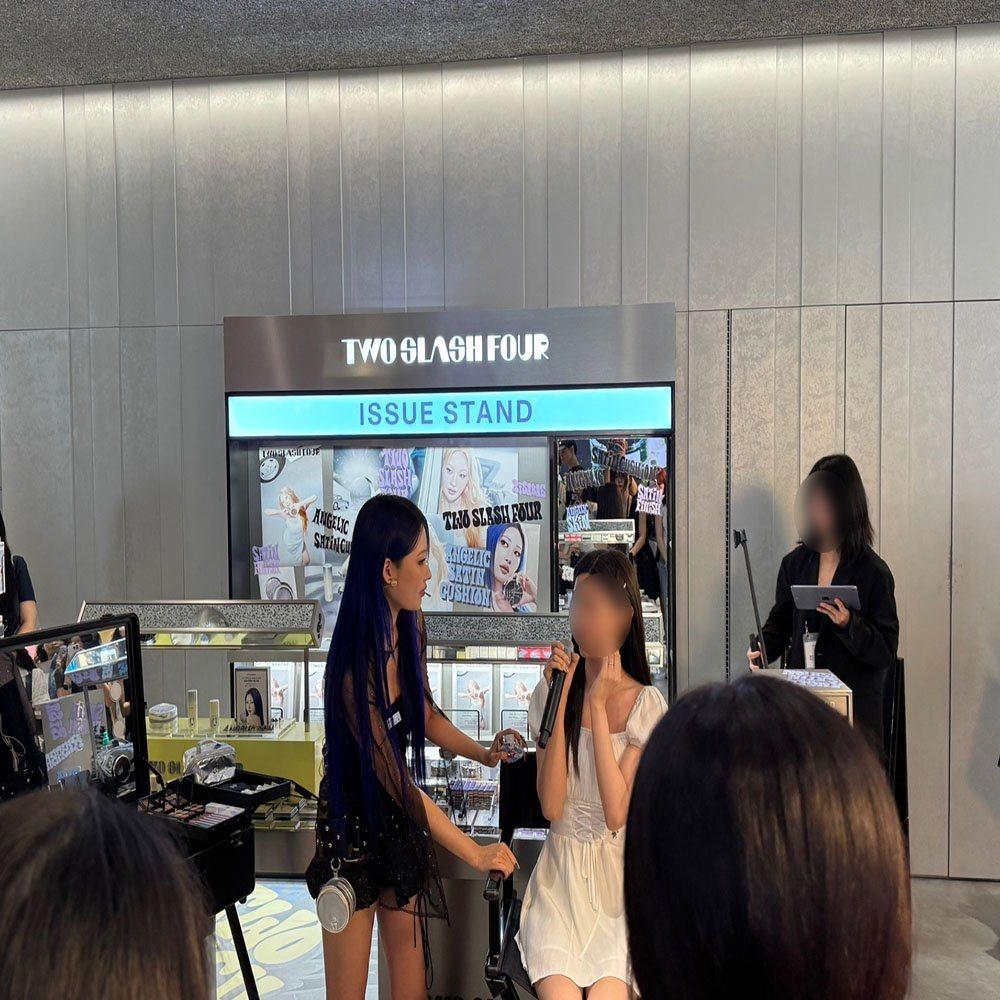
"What time is she coming today?" On site, you hear this question more often than people read the posted signs. At a beauty-class popup where an artist comes out in person to demonstrate makeup, people crowd in only at set times, unlike at an always-on experience zone. The 2/4 (TWO SLASH FOUR) popup held at Olive Young N Seongsu in Seoul from Saturday, August 2 to Sunday, August 3, 2025 was the same. Makeup artist Risabae took part, and operating hours were 10:00 to 22:00. TL CREATIVE handled crowd flow, safety management, and booth operation on site.
Many brands announce only the fact that "a famous person is coming" and hand the operations side entirely to an agency. But when you work through this structure in practice, it takes more effort than you'd expect. The brand and the planning side decide on artist casting and the demo content, but making that content run safely on site ultimately falls to the operations team.
Why This Differs From an Always-On Experience Zone
At an experience zone, customers drop by whenever they like, try the testers, and leave. That means demand is spread across the whole day. At a demo or fan-meeting event where an artist appears, by contrast, demand piles up only in the time slot when that person is out. It's quiet right after opening, and then about thirty minutes before the demo starts the line suddenly grows long. Whether the operations team goes in knowing this pattern or not decides the mood on site.
So if you take an experience-zone operations manual and use it as is, nine times out of ten it won't fit. An experience zone can have its staff spread evenly across the whole day, but a demo event needs more staff concentrated before and after the peak. The real crunch runs from thirty minutes before the demo starts until thirty minutes after it ends. Outside that window, it's better to cut back staff and put them on upkeep and checks.
When Should You Split the Queue?
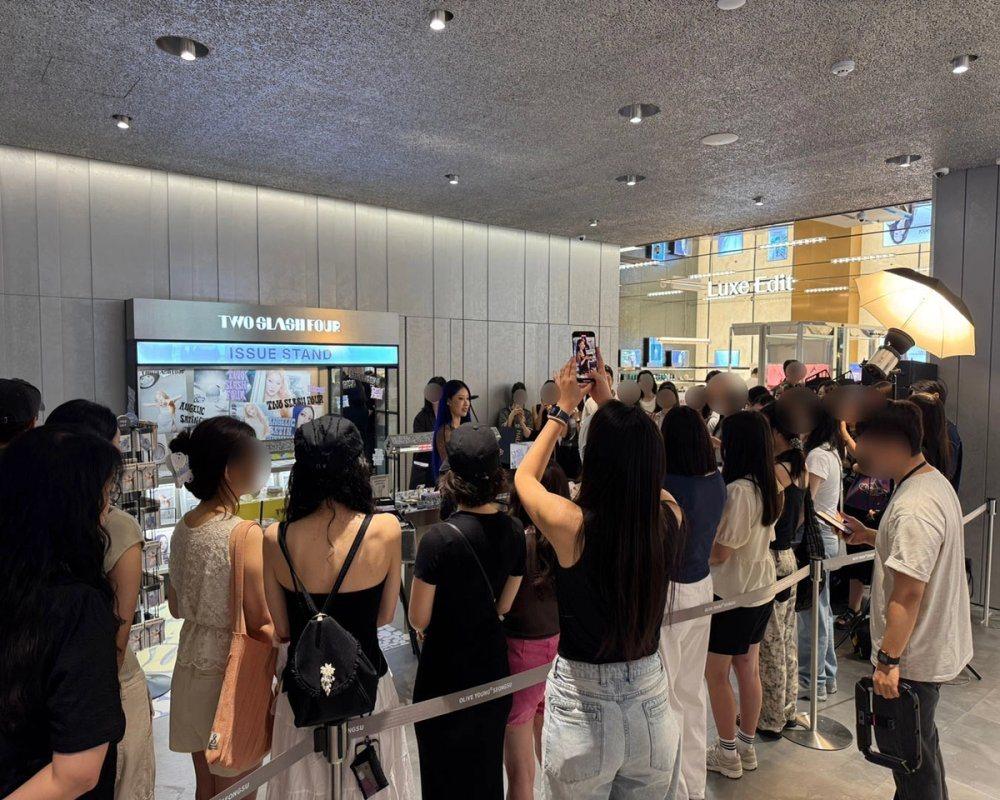
If you draw the line only after the queue starts to show, you're late. The viewing flow and the through flow need to be separated at the stage when the demo stage itself is being built. At this site, too, a waiting line was set with stanchions between the stage and the audience, physically separating the spot for watching the demo from the passage for walking through. If the layout means people have to pass in front of the counter to reach other corners, this separation matters even more. Otherwise, people watching and people moving share the same width, and one side gets blocked.
Stanchion positions aren't set once and done, either. As more people arrive, the tail of the line grows and starts to cut into the passage you originally planned. Then you have to push or fold the stanchions on the spot to reopen the passage. Think of it this way: the lines that looked neatly divided on the drawing keep moving once real crowds are in front of them.
Crowd Density: What Standard Do You Go By?
If you judge by feel — "seems a bit crowded" — you're late. The safety management guidelines for crowd accidents at mass gatherings, distributed by the Ministry of the Interior and Safety in September 2024, set out crowd density bands: 2 people/㎡ indoors as the comfortable range, and outdoors 3–4 people/㎡ as caution and 5 people/㎡ as danger. These figures won't fit every site exactly, but they give the operations team a minimum baseline for judging "whether it's okay to let people in right now." How many people to admit at a time and how wide to make the passages are also safest when they start from this standard.
Can You Have Both Turnover and Satisfaction?
Honestly, the two conflict. Shorten the time spent with each person and you can take in more people, but satisfaction with the experience drops. Let people see enough, and the wait for those lined up behind them grows. What you can do on site isn't remove this trade-off but manage it visibly. If you announce the expected wait time and post the next demo time in advance, the people waiting can decide for themselves whether standing in line now is the right choice.
What We Actually Took Care of on Site
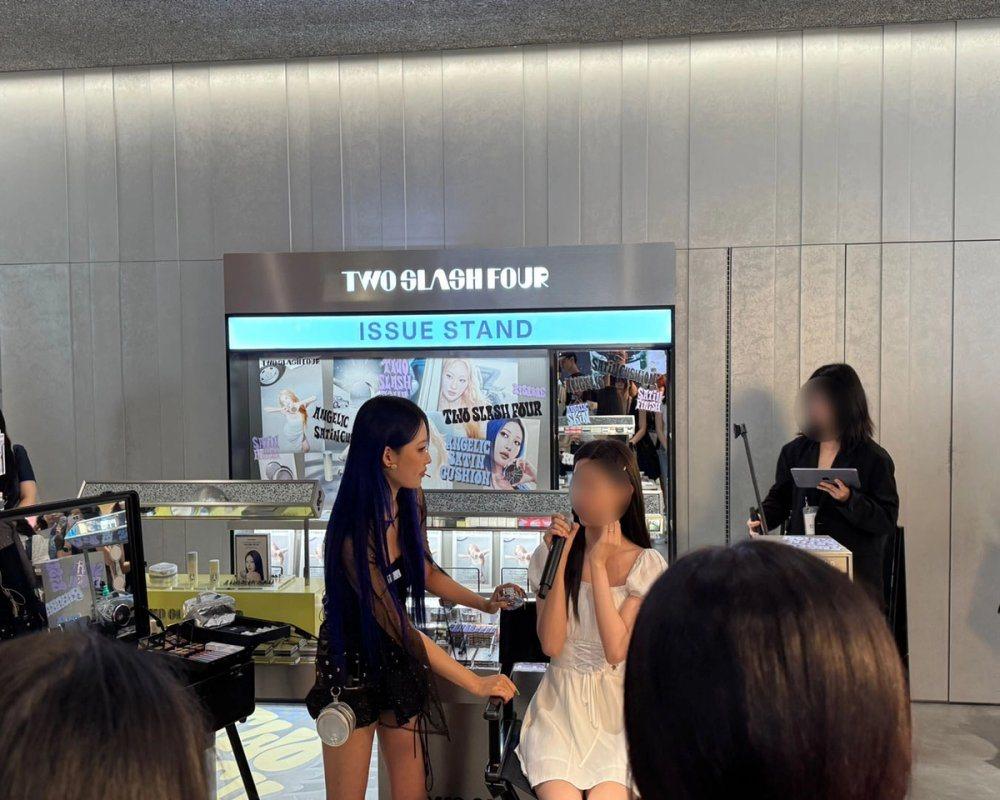
At this Seongsu site, TL CREATIVE's scope was exactly this: crowd flow, safety management, and booth operation. The content of the makeup demo and the artist casting were not our area. Instead, across the two days, Saturday and Sunday, from 10:00 to 22:00, we kept checking the stretches when people crowded in and when they thinned out, and adjusted the waiting-line positions and passage widths. At sites like this, the flow planned before opening rarely holds all the way to the end, so we found it's better to leave room to change it right away during operation.
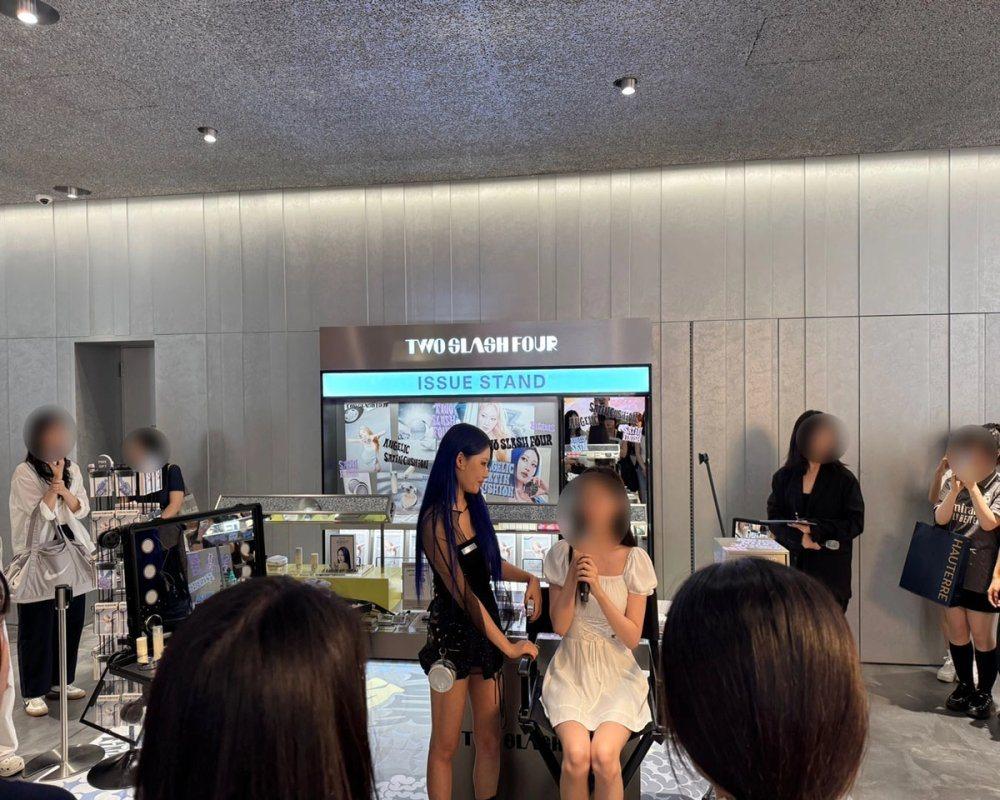
Keeping signals in sync among operations staff matters more than you'd think, too. When the staff in front of the stage judge that "it's full now," that has to reach the staff at the entrance immediately so they can adjust how many people they let in. Radios or hand signals, the method doesn't matter, but if this signal comes a beat late, people stack up layer upon layer in front of the stage, and from then on it's hard to untangle by hand.
If you're preparing a popup that includes a beauty class or an artist demo, we recommend designing the queue first. TL CREATIVE has taken on on-site operations like this across 300+ projects. Get in touch and we'll work out the operating flow with you, starting there.
Original: https://www.tlcreative.co.kr/projects/seongsu-163