
At a Pop-up for International Visitors, Flow Breaks Down Before Language Does
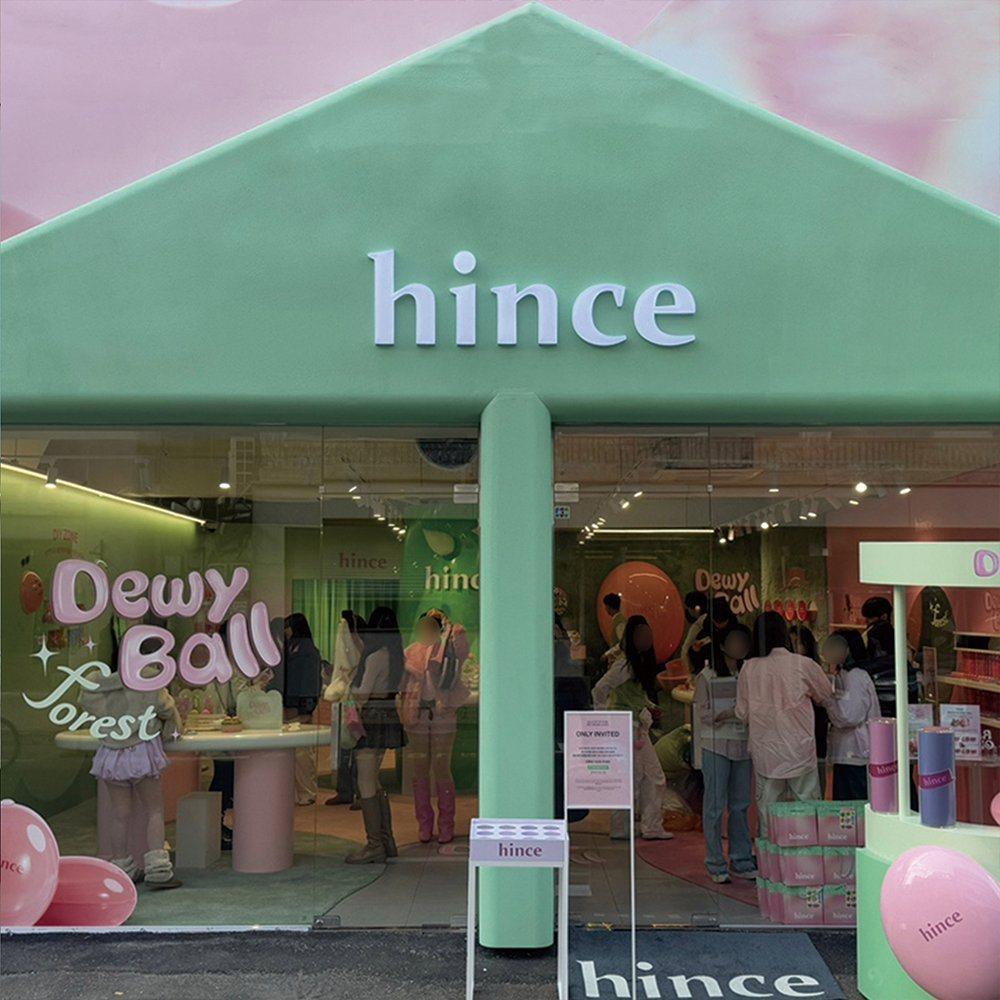
When people hear “a pop-up with many international visitors,” they usually think of interpreters first, but what breaks down first on site is not language — it is visitor flow. That was true of hince's Dewy Ball pop-up store, held from February 25 to May 8, 2025, on Yeonmujang-gil in Seongdong-gu, Seoul. With hince's global fan base in mind, promoters who could speak Japanese, Chinese, and English were placed on site, and TL CREATIVE handled event operations, including queue management, running events, and keeping order on site.
What changes first when there are many international visitors? Before language support, the thing to fix is the queue and the signage running from the entrance. A line of mixed nationalities is hard to control with Korean-only notices. The order has to be: guide first with shared symbols like numbers and pictures, then have promoters for each language add the details — that is how the line holds together.
The hince site ran every day from 11 a.m. to 9 p.m., and the waiting peaks varied from day to day. At peak times, splitting the queue was more urgent than serving people in their own language.
How do you divide multilingual promoters? There is no neat numerical formula. But roles have to be divided first. If one person takes on entrance guidance, experience explanations, and checkout support all at once, the line for one particular language group just keeps growing.
For a site supporting three languages like hince — Japanese, Chinese, and English — we tend to fix one or two people per language and rotate the rest flexibly as staff who work in both Korean and English. If a pattern repeats where visitors from one language group crowd in at a certain hour, we adjust by adding staff for just that time.
There is also a reason not to place people on language ability alone. Even a fluent speaker, if flustered by something unexpected on site, can make the line longer. So we first fill multilingual promoter roles with people who have both language skills and on-site experience, and then cover any missing language groups with trained staff.
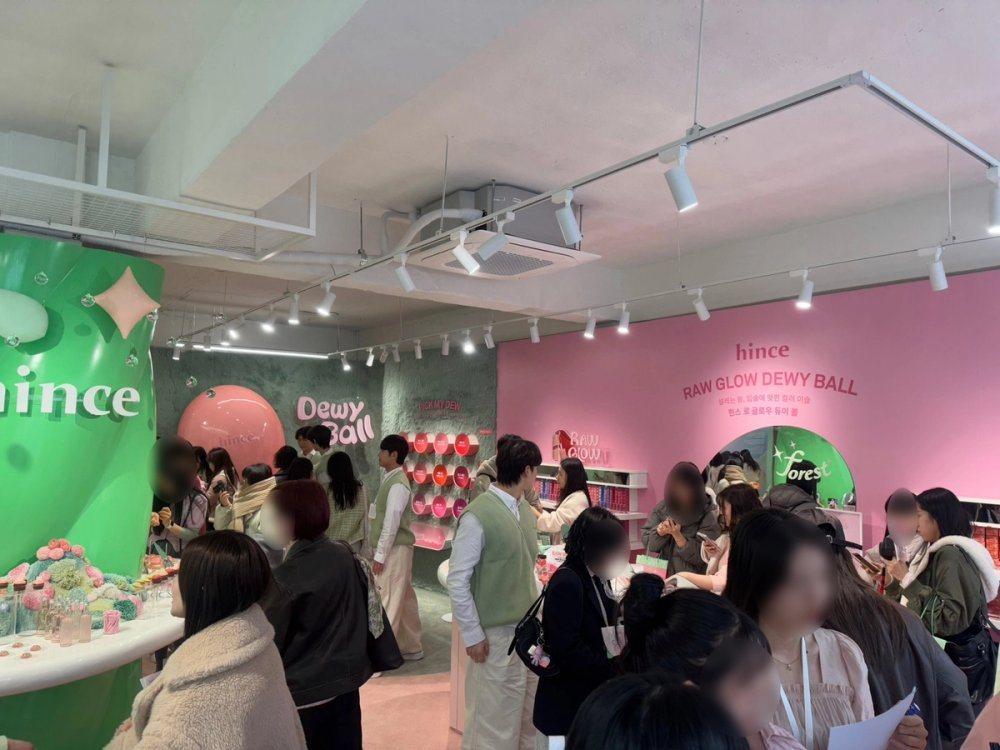
Where do the checkout and guidance flows diverge? Language problems surface latest, and biggest, at checkout. If price, points, and discount information isn't posted in multiple languages in advance, explanations at the register run long and the line piles up behind.
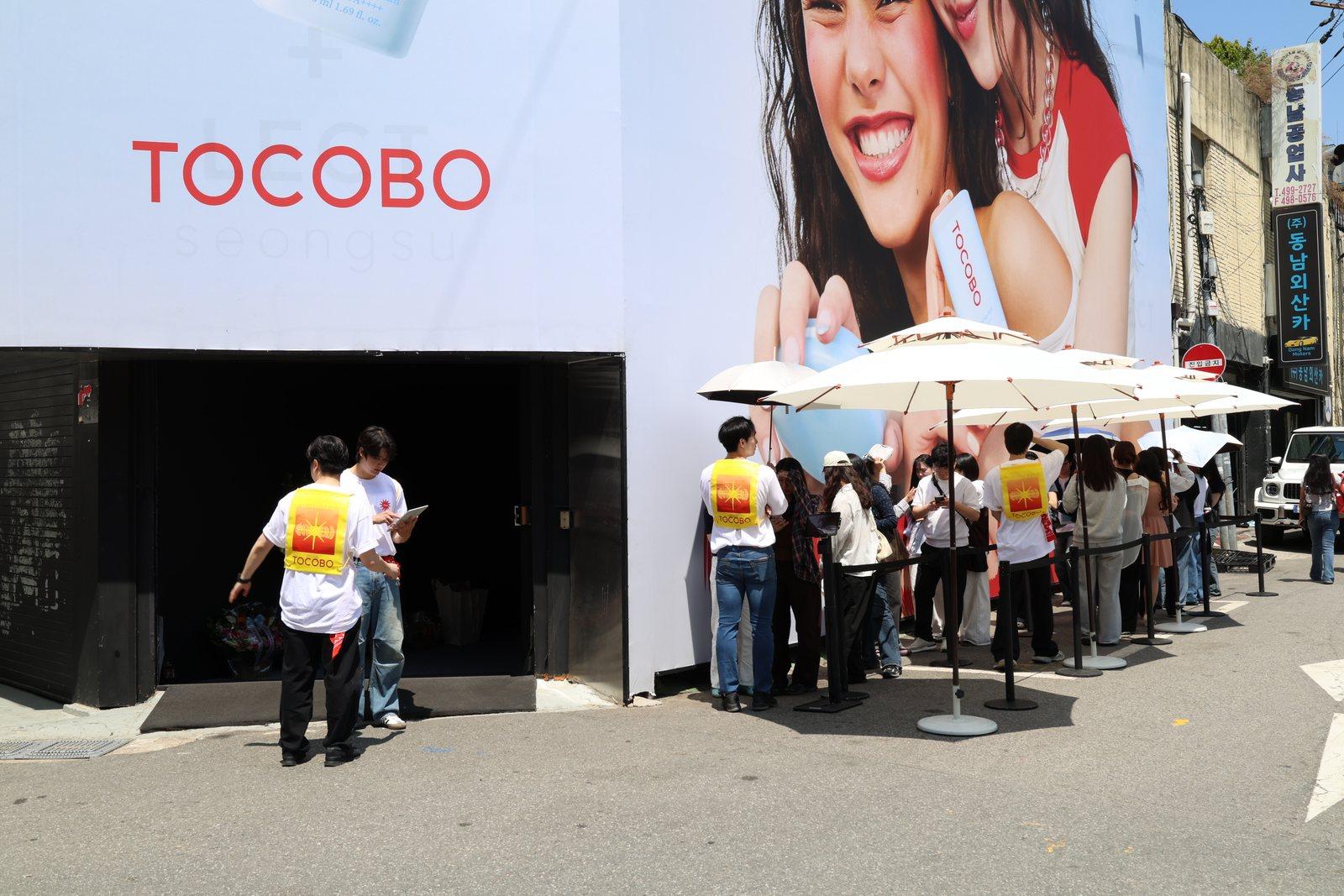
So checkout signage has to go up before promoter explanations, so visitors can read it while they wait. Other sites in the Seongsu area are similar. At the TOCOBO Seongsu pop-up, where we handled event operations, we also put up signage in the waiting area first and added language-specific service from the experience area onward.
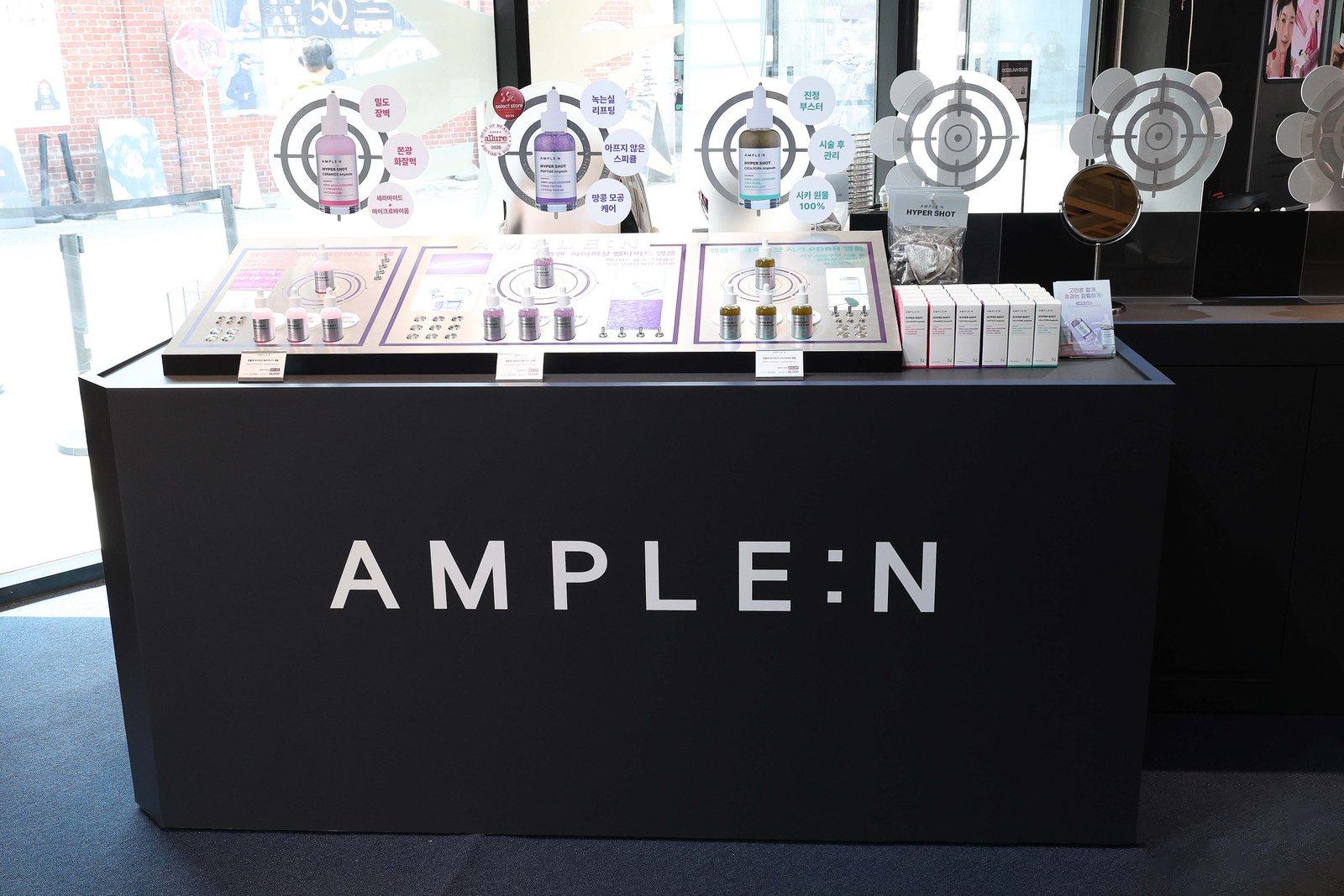
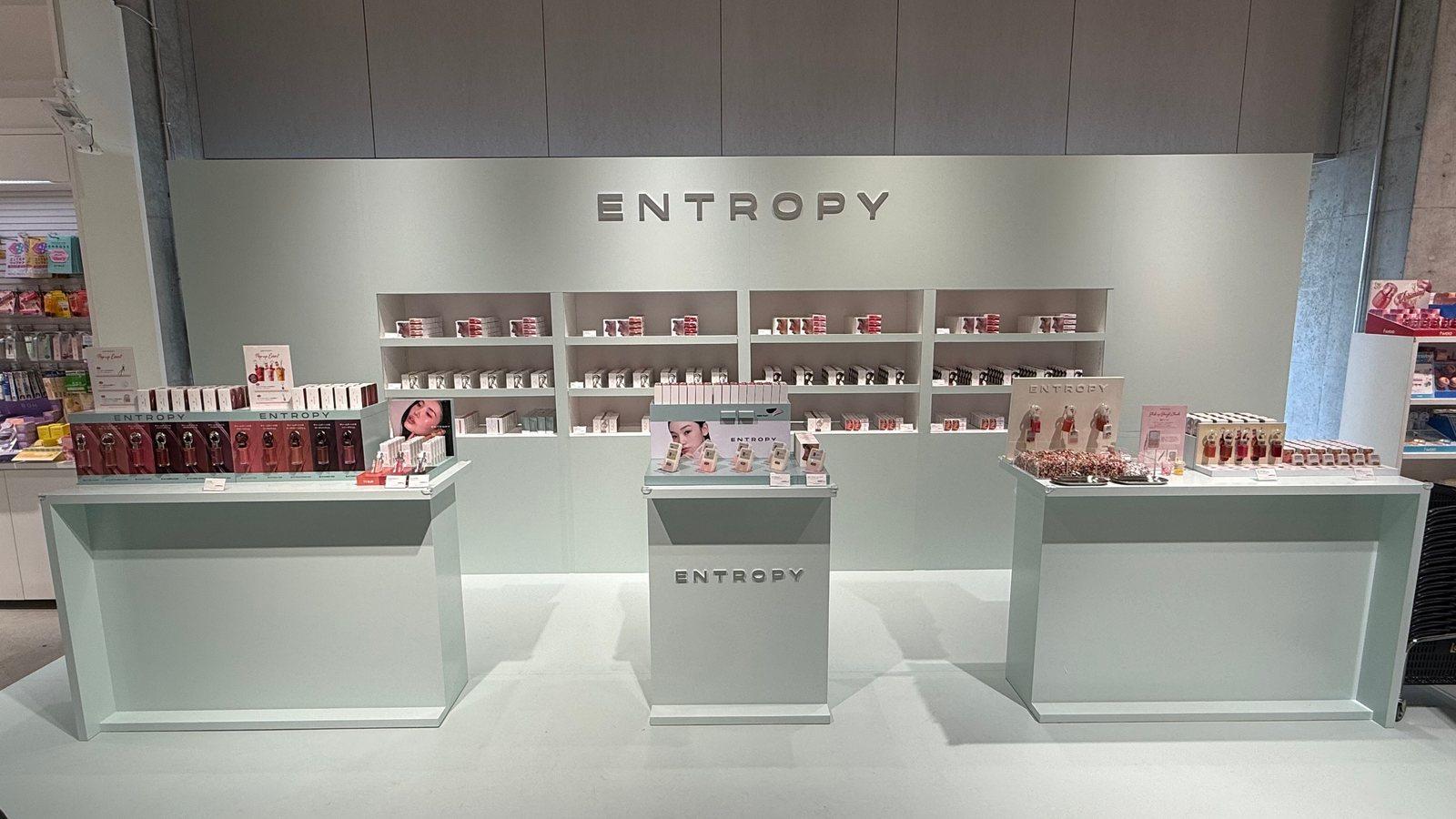
The reverse case: when a Korean brand welcomes local customers overseas. It isn't only cases like Seongsu, where international visitors come looking for Korean brands. When a Korean brand goes into a store abroad, local-language service ends up being the core as well. For the ENTROPY site at Loft Ginza in Tokyo, our part was only the on-site installation, carried out with local partners, and we found that with overseas stores like this, setting up local-language guidance from the installation stage makes operations easier later.
On-site order is set by structure, not by the number of staff. In the end, what matters more than how many staff you put out is the structure of the lines and the space. If the entrance, experience, and checkout zones are physically separated, people follow the flow even when language doesn't get through. What we felt while handling both event running and on-site order at hince was that when the structure is right, the language problem gets smaller than you'd expect.
At some other Seongsu sites we handle everything from planning and space design to operations, and at those sites it is easier to mark multilingual service points from the flow design stage. At a site where we come in for operations only, staff placement and queue signals have to fill that role within a structure that is already set.
When should multilingual notices be made? Checkout, points, and refund notices made in a rush on opening day tend to read awkwardly in translation. It is better to finalize the wording at least one to two weeks before opening, send it for translation, and give on-site promoters time to read it in advance. Serving visitors with a notice you are seeing for the first time on the day is bound to leave gaps.
Notices aren't a one-time posting, either. If questions keep coming up about a particular phrase a few days into operation, you need to change the wording then and there. The hince site ran for over two months, until May 8, so refining the notice wording several times along the way was part of the work.
If you are preparing a pop-up with many international visitors, we recommend planning the flow design and multilingual service points together. TL CREATIVE has dealt with sites like this repeatedly across 300+ space projects.
Original: https://www.tlcreative.co.kr/projects/seongsu-hince-11