
Sales at a Popup: This Is Where Inventory and Checkout Make or Break It
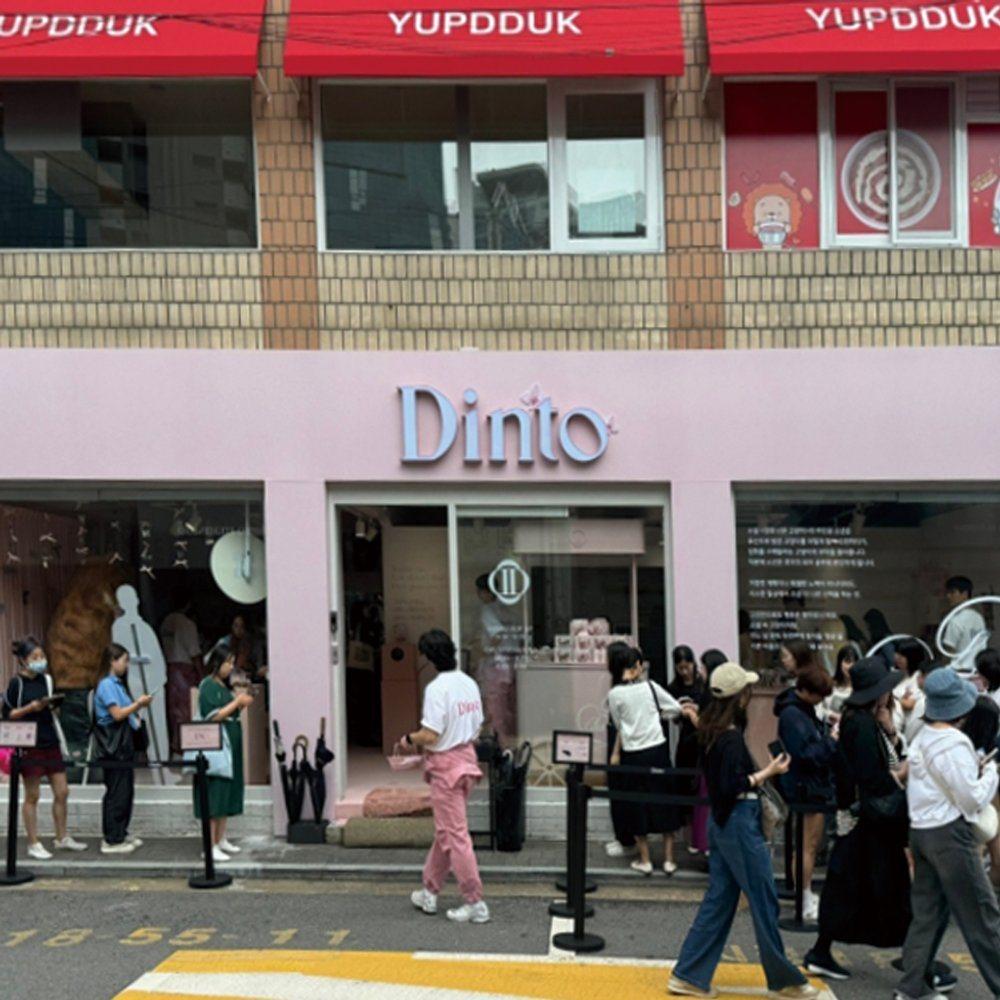
“How many are left today?” At a popup with sales, this question comes up several times a day. It was the same at DINTO’s second popup store, held September 20–29, 2024 at 31-1 Yeonmujang-gil, Seongdong-gu, Seoul. TL CREATIVE handled event operations including sales, entrance guidance, waiting-line management, and flow control, and promoters who speak Japanese and Chinese also helped support on-site participation.
Why does selling make operations more complicated? At a popup that only offers experiences, it is over once people come and go. Once sales are added, three more stages follow: inventory, payment, and packaging. Where these three stages sit along the circulation completely changes the flow of the whole store.
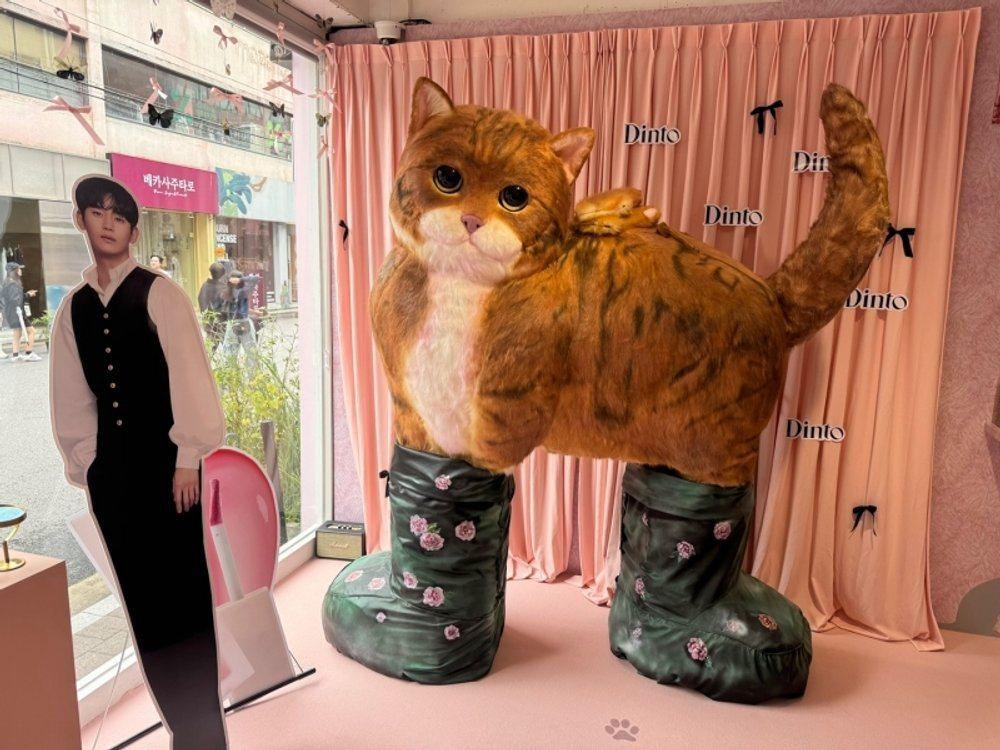
The DINTO popup also followed a ‘Le Chat Botté’ concept, with the experience elements placed first, followed by purchase benefits and sales of a donation collection. Because the experience section and the sales section moved at different speeds, operations staff also had to be deployed differently by section.
How often should inventory be checked? There is no set formula, but the more uneven the sales pace at a popup, the shorter the check interval should be. If you only check in big blocks like morning and afternoon, popular items sell out inside the store first. Then customers who come later leave empty-handed, and that frustration spreads back into the waiting line.
So we usually check inventory by time slot, and for items that are running down quickly, we put in a restock request right then and there. If the storage area and the store are apart, you also need to calculate in advance how long restocking takes.
Items sold in limited quantities, like a donation collection, have yet another inventory standard. If part of the sales proceeds goes to a donation, you have to be able to announce on site the moment the quantity runs out. If the announcement comes late, customers get stuck in front of sold-out products, and the circulation behind them slows down as well.
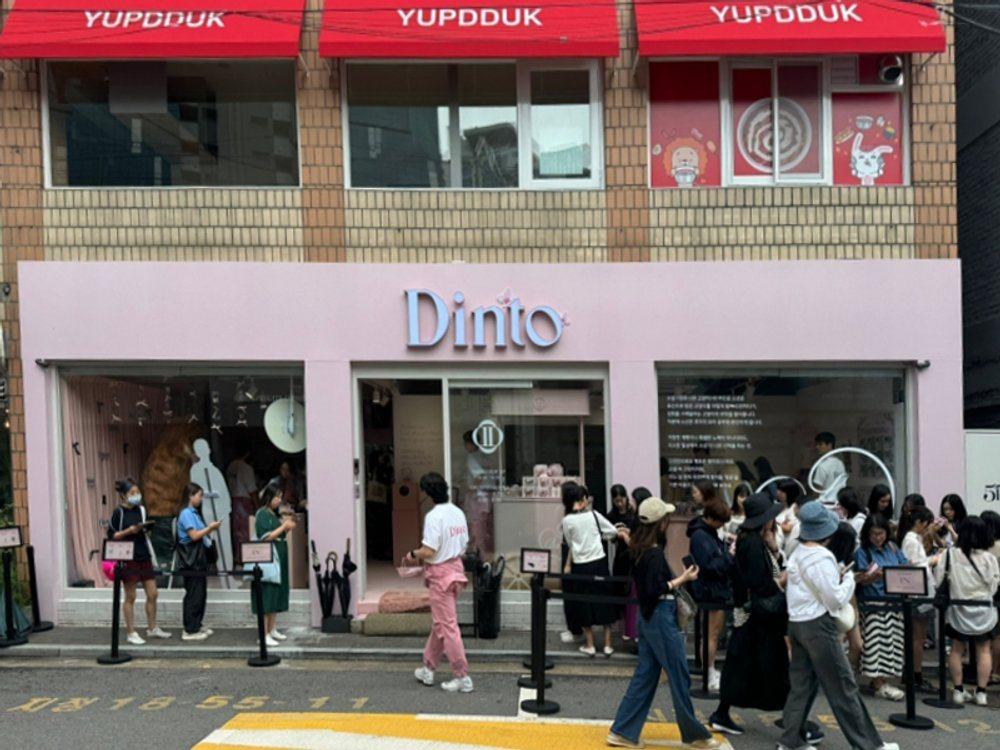
Where does the checkout line get stuck? Payment usually slows down at two points. One is the moment you explain discount and points conditions; the other is packaging. When products like a donation collection with purchase benefits are mixed in, as at the DINTO popup, an extra explanation gets added at the payment stage, and the line easily drags on.
So it is better to show payment information in advance in the section before the counter, not at the counter itself. If customers read all the conditions while waiting in line, all that is left at the counter is confirmation. For packaging, too, deciding the packaging method for each product category in advance cuts the time spent figuring it out on the spot.
Can one person handle both sales and guidance? For short stretches, yes, but not once the line gets long. When you focus on serving buyers, it is easy to miss the entrance guidance and waiting-line management piling up behind you. So we split the roles, but during peak hours we keep a flexible setup where people can cross over between positions and whoever has free hands joins the side that needs them.
On site at DINTO, running sales, entrance guidance, waiting-line management, and flow control together, we confirmed once again that these four roles are intertwined. When one slows down, the rest get pushed back too.
Shift changes also need to be set in advance. Serving buyers is physically demanding, so if you schedule a shift change right before peak time, the rhythm breaks just when it is busiest. So we match shift changes to relatively quiet times, and keep about the first 10 minutes after a change free for the new staff to re-check inventory status and discount conditions.
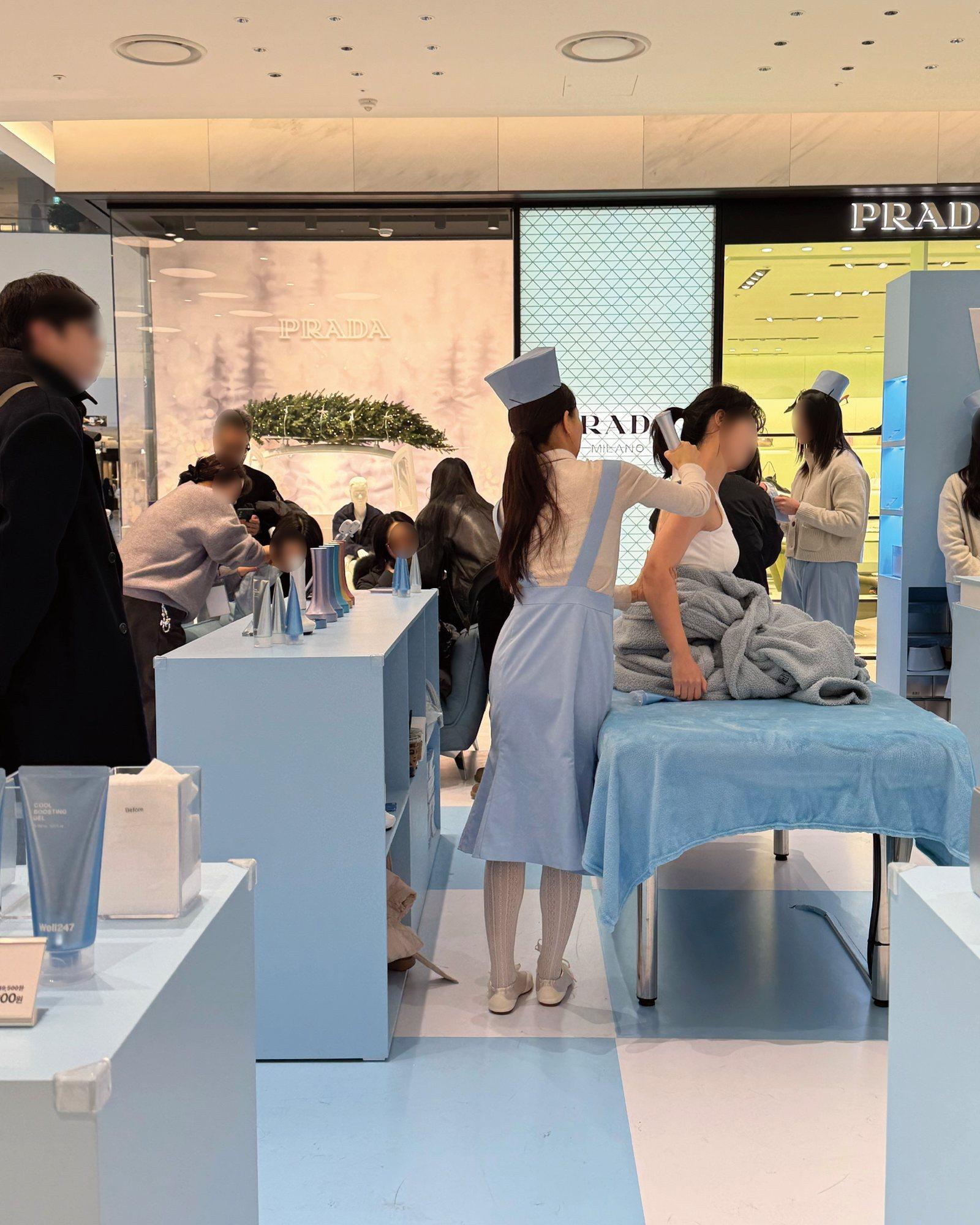
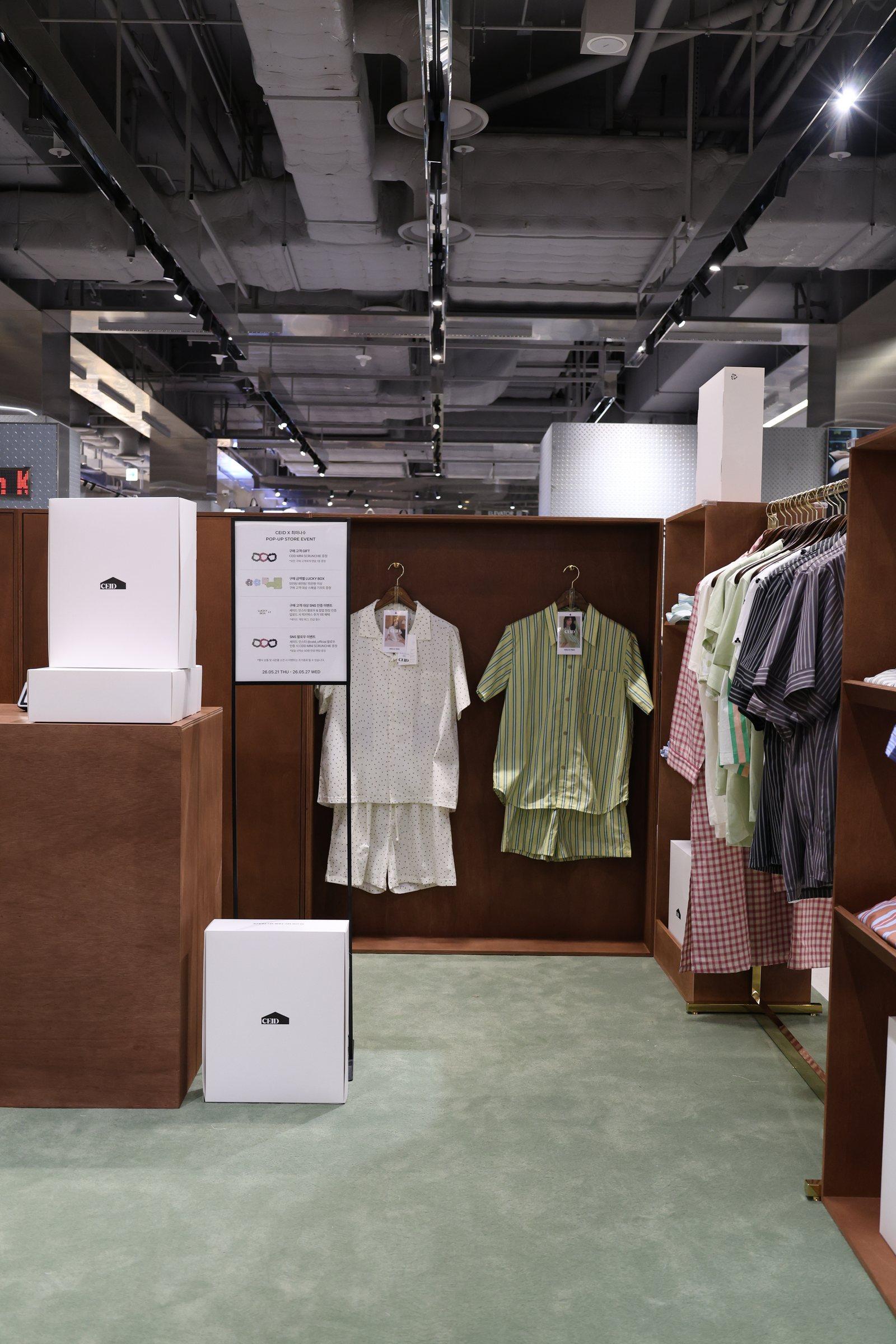
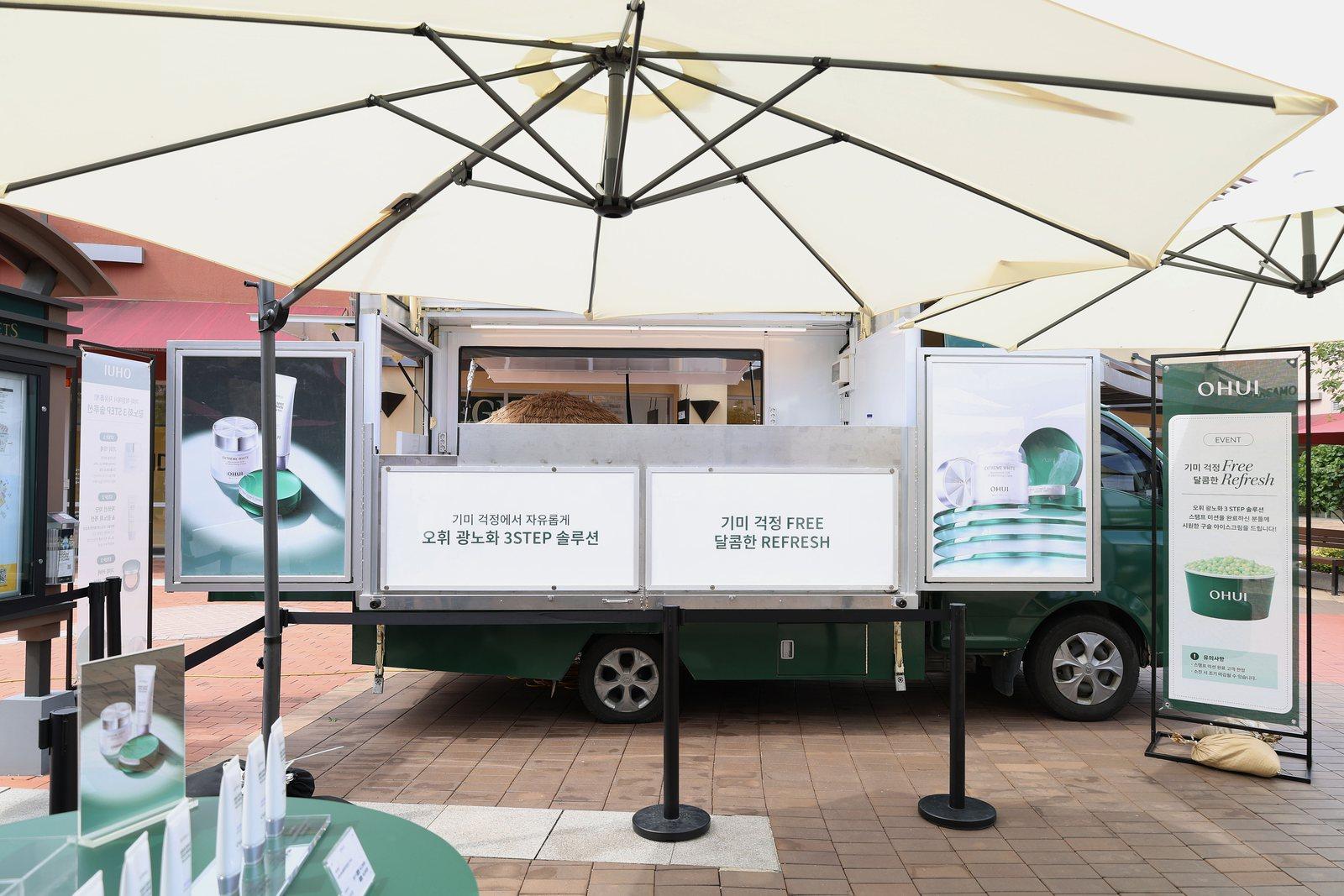
What changes at sites with a different sales scale? Popups with sales differ quite a lot in how they run depending on scale and location. At a department store with heavy foot traffic like The Hyundai Seoul, checkout lines build up faster, so the number of counters and the position of the packaging station need to be planned more tightly in advance; at a site with long dwell times like an outlet, on the other hand, inventory runs down more slowly, so the restocking interval can be longer.
In a structure like a street-level shop in Seongsu, where experience and sales share one circulation, in the end someone has to adjust the speed difference between the two sections on site every hour for the whole thing to run.
There are numbers we look at before spend per customer. Sales and spend per customer are not numbers we look into ourselves. Instead, in on-site operations we watch indicators we can see with our own eyes each day: how fast inventory runs down, how long people wait to pay, and how long packaging takes. When these three run steadily, the results that show up later in the numbers tend to follow.
If you are preparing a popup that includes sales, we recommend mapping out the inventory, payment, and packaging flow first. TL CREATIVE has run sites like this again and again across 300+ space projects.
Original: https://www.tlcreative.co.kr/projects/seongsu-dinto-43