
Popup Fixture Fabrication: How We Count the Time From Drawings to Load-In
When you get a popup booth schedule, only the opening date is written in big letters. What comes before it, and how long each step takes, is not written down. With popup fixture fabrication, the clock starts the moment the drawings come out. For an overseas event, you have to count that clock backward from the opening date so you are not late.
The clock starts the day the drawings are finalized
With standardized modular fixtures, cutting starts as soon as the drawings are out. The problem is fixtures with unusual shapes. If there are lots of curves, lighting and electrical wiring run inside, or the paint finish has to go through several coats, the process grows accordingly.
What if you change the shape after the drawings are finalized? Material that has already been cut just gets thrown away. So how firmly you lock down the shape at the drawing stage determines the entire schedule after that.
Each approval costs a day
When you work with overseas clients, draft approval is a bigger variable than you would think. Because of the time difference, a full day goes by between sending one email and getting a reply. Even confirming a single color or a single logo position comes with this gap. If you do not decide in advance how many approval rounds there will be, the fabrication start date keeps getting pushed back.
So in practice, we do not lay out all the drafts at once. We split them so the urgent items get confirmed first. Shape and dimensions get nailed down first; color and graphics go to the next round. Splitting it this way lets fabrication get rolling the moment the shape is confirmed.
Forget the packing and you build it but cannot ship it
You might think it is done once it is built, but it is not. Fixtures going overseas have to withstand shocks and humidity in transit, so we design the crate packing separately. The bigger or more fragile the sculptural piece, the more time the packing takes. If you do not put this into the fabrication schedule, you end up with everything built and no way to send it. Really.
Customs is not a single track
Fixtures you will bring back and goods that are handed out or used up on site clear customs differently. Items that go out for an international exhibition and come back can use an ATA Carnet, a temporary import/export customs document. It lets them through without duties, on the premise that you bring them back.
Samples and giveaway goods used up on site, on the other hand, are not covered by this system and go through regular customs. If you plan the two as one bundle just because they are going into the same booth → the paperwork gets tangled at the customs stage.
The day it arrives is not the end; it is the start
Just because things have arrived locally does not mean you can open right away. You have to load in, assemble, adjust the lighting, set up the product displays, and run through it once like a rehearsal. If you leave this time out of the calculation from the drawing stage, you end up cramming it all into the night before opening.
So we leave at least one day free between the arrival date and the opening date. A part is broken, or you unpack it and the color is subtly off. You need that one day to fix things. If you set the arrival date right up against the day before opening, there is nothing you can do when a problem breaks out. On-site staff schedules are also set around the load-in date, so if things slip a day, people’s schedules get shaken up too.
How we planned this one
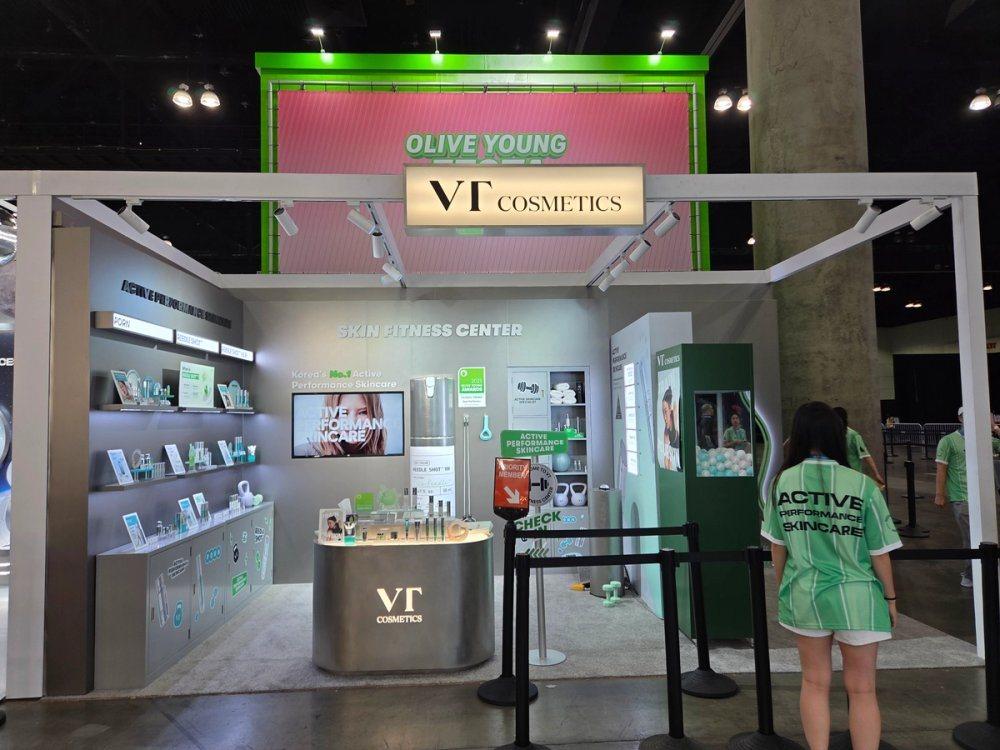
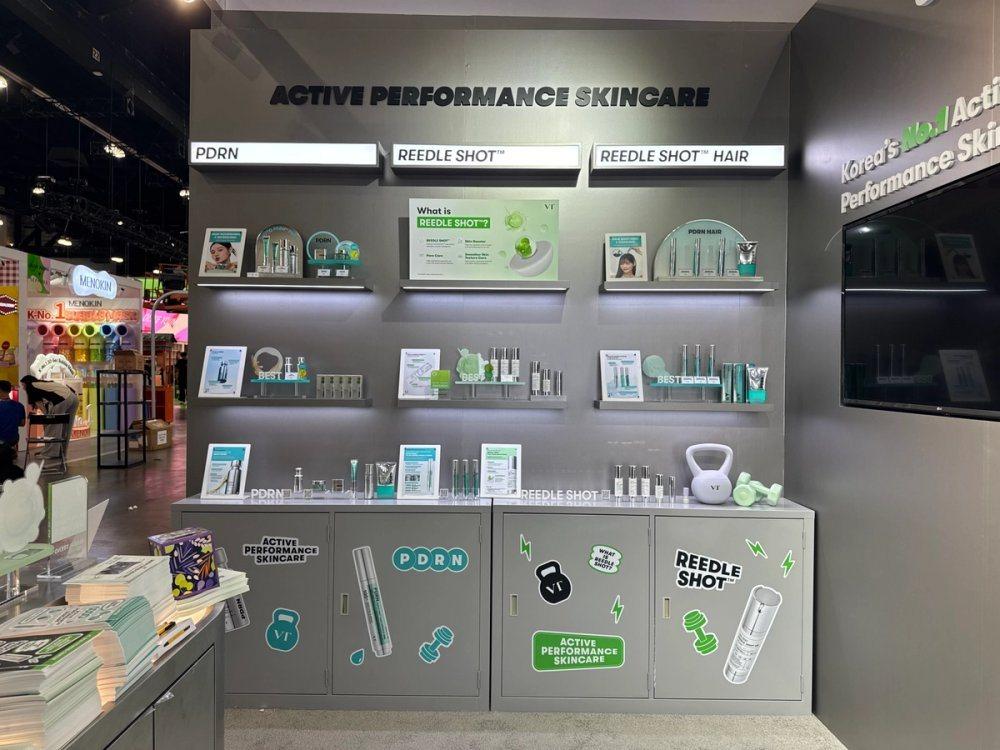
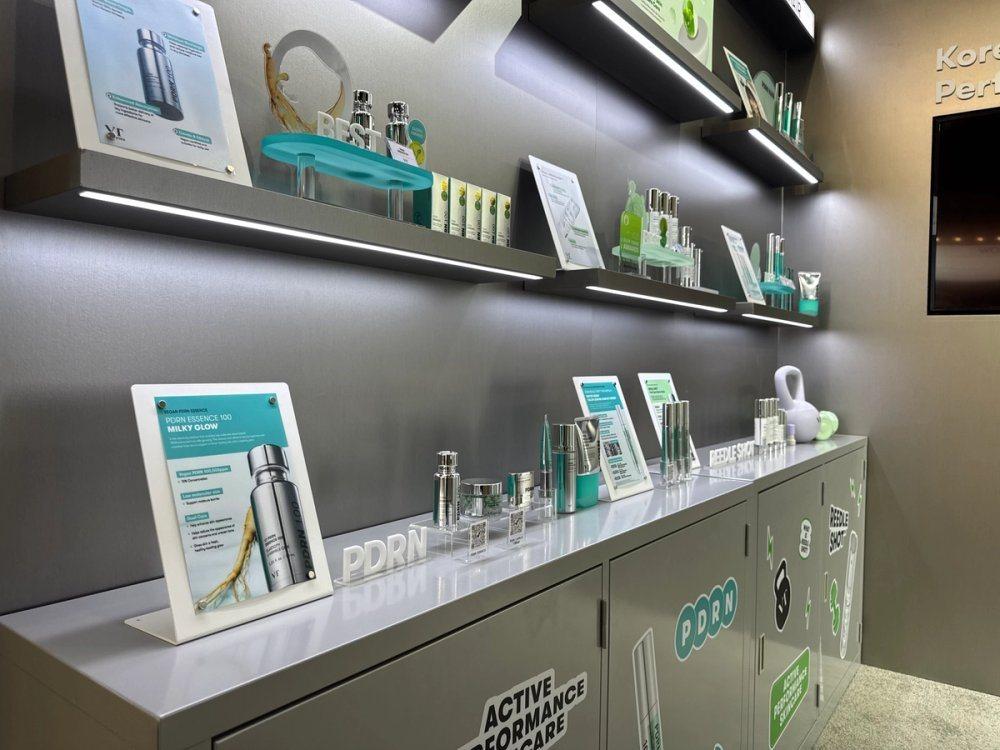
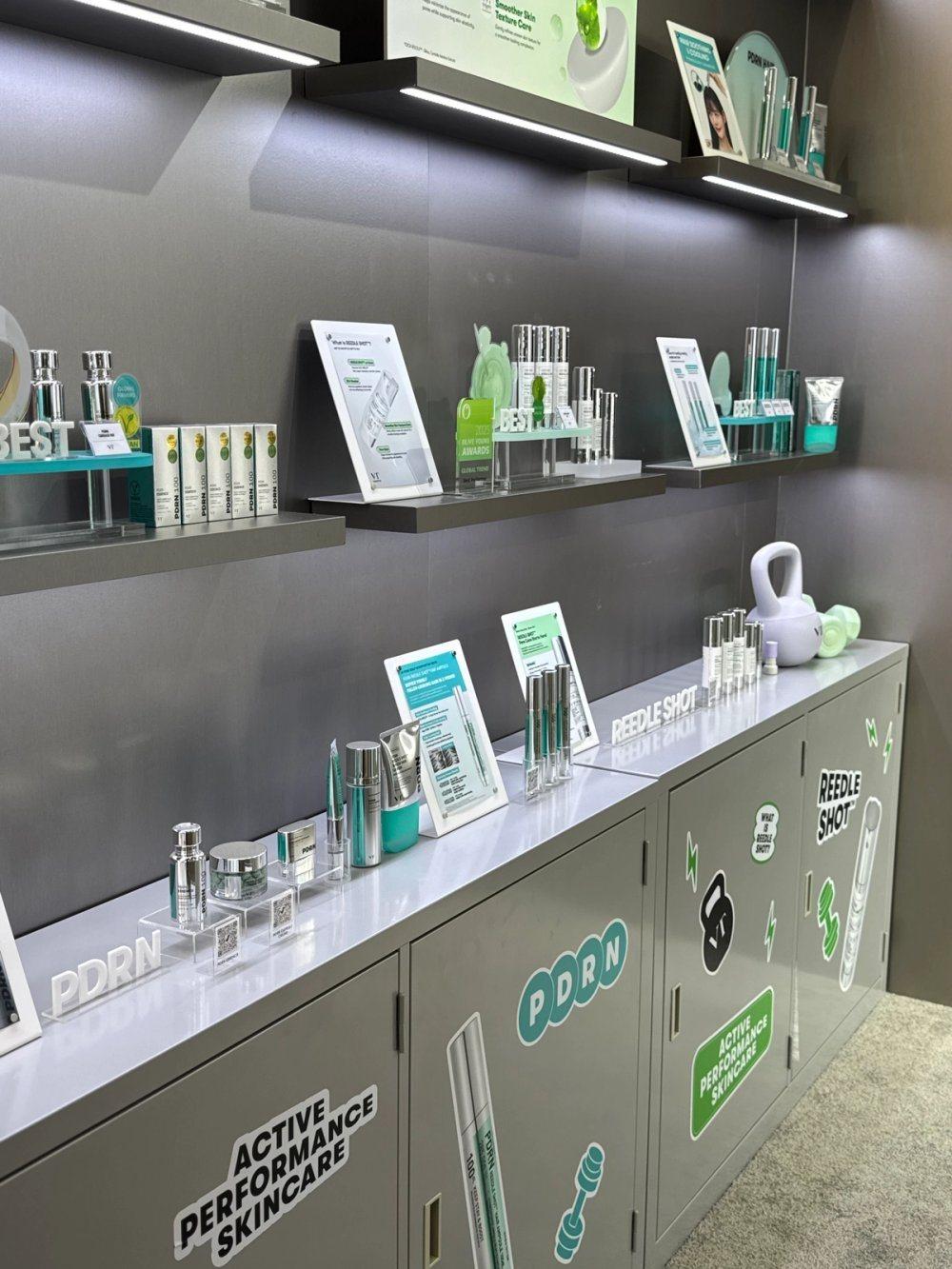
VT COSMETICS took part in the same Olive Young Festa with a gym concept called ‘Skin Fitness Center.’ Fixtures modeled on dumbbells and kettlebells, a check-in zone with a ball pit, even a neon sign photo zone. It was a setup that took far more work than a standard booth. TL CREATIVE carried out everything from concept planning to space design and fixture fabrication, through to on-site installation with local partners.
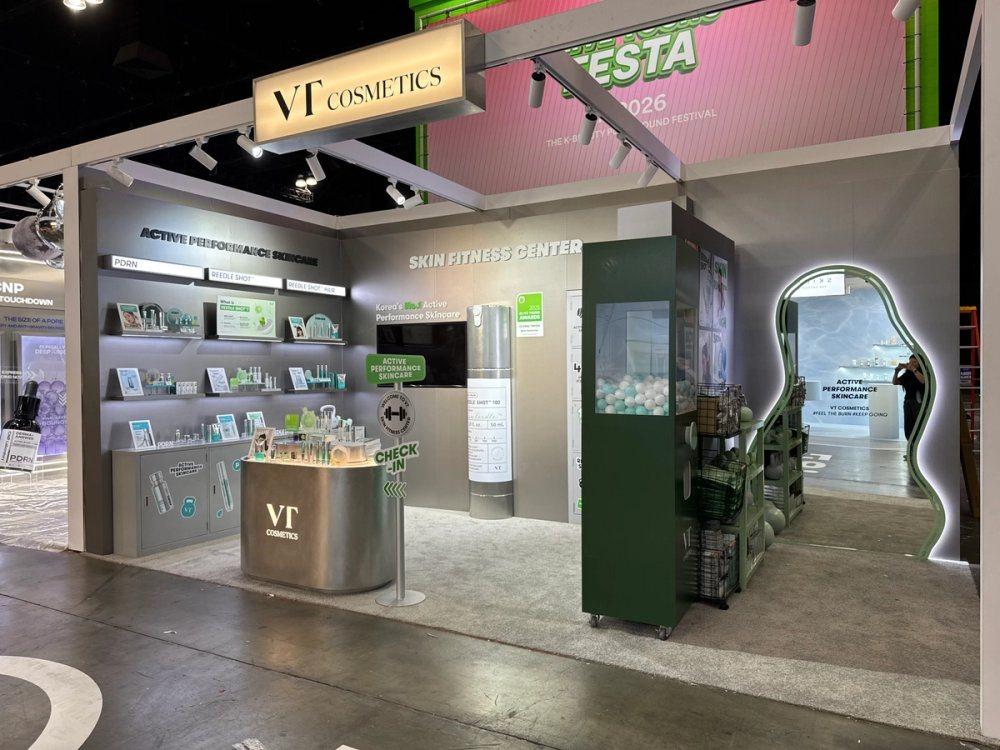
With a setup like this, every shape is custom, so you need to keep the room for changes after the drawings are finalized as small as possible. The more complex the shapes get, the safer it is to add more buffer to each stage: fabrication, packing, and load-in.
Not how fast you build, but where time leaks
With popup fixtures, knowing where time leaks comes before how fast you can build. Drawing finalization, fabrication difficulty, packing, customs, assembly after load-in. If even one of these five stages slips, the whole thing moves back.
TL CREATIVE has done 300+ projects spanning popup planning, space design, fixture fabrication, and on-site operations. Building fixtures in Korea and sending them overseas is part of that, too. If you have an overseas popup on a tight schedule, let’s talk before the drawings are finalized. That is when it is easiest to make changes.
Project details: https://www.tlcreative.co.kr/projects/la-vt-cosmetics-olive-young-festa