
Running an Experience Popup: We Check Tester Consumables and Hygiene Again Every Day
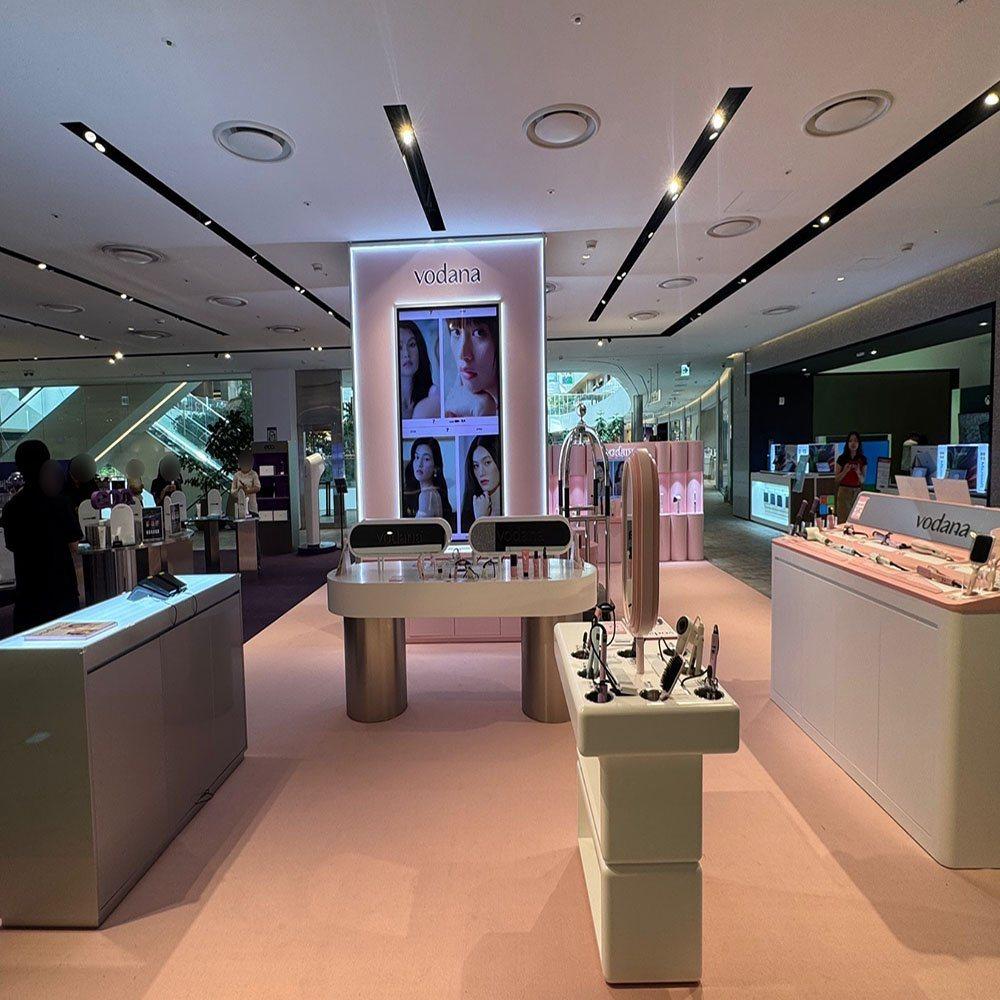
"It was fine yesterday, so why is it like this today?" That's the thought an experience-zone operations team has most often, every morning.
From August 4 to 17, 2025, the VODANA popup store ran at The Hyundai Seoul. It was set up so visitors could try more than ten hair-styling devices on site — curling irons, wave irons, and the new Easy Up Hair Styler — and TL CREATIVE handled operations on site. Because customers were using the devices themselves, the list of things to prepare was different in kind from that of an ordinary store. Operating hours ran from 10:30 to 20:30, and within that time the condition of the devices and consumables had to be checked several times over.
An experience zone isn't finished at setup. An experience popup is not a space where you get everything ready before opening and then just unlock the doors. After a day, consumables run low, devices wear out, and the promoters' voices go hoarse. The first thing the operations team does every morning is bring everything back to the state it was in the day before. For a two-week experience zone, this process repeats fourteen times.
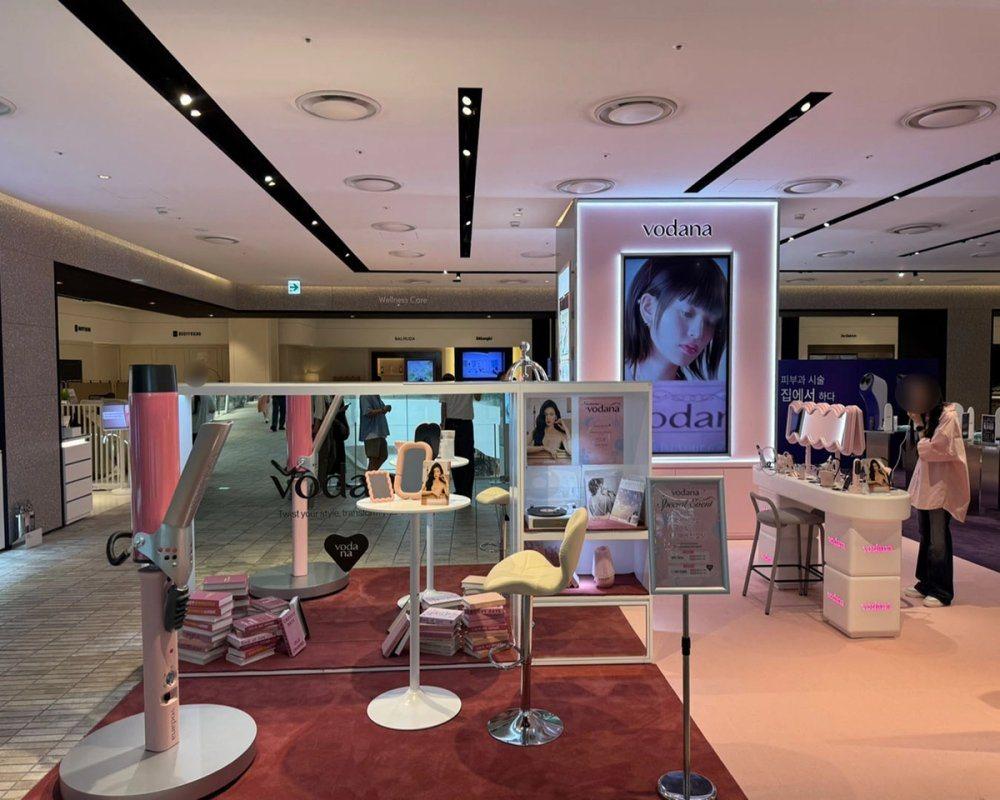
Track consumables by burn rate, not by stock. Test products and hygiene supplies are better managed by how fast they're used up relative to daily visitor numbers than by how many are left. Weekday and weekend visit patterns differ, so if you fix the restocking cycle to a set daily amount, you'll always run short on certain days of the week. The longer the run, the more this gap builds up, and past the midpoint you get the occasional day when you have to restock in a hurry. Some items need their restocking orders placed a day or two ahead rather than on the day, so it's safer to record the burn rate as a number every day.
Heated devices come with a daily checklist. Hair irons are heated appliances, so everything from the order of switching them on and off to power capacity and heat condition goes through a checklist every day. An experience zone with many units plugged in at once can easily exceed power-strip capacity, so the circuits need to be split up in advance. When one device acts up, service for the customer standing in front of it stalls too, so we recommend keeping one or two spare units on hand. Cables trailing across the floor are also a safety issue, so taping them down goes on the morning checklist every day.
The closing routine decides the next day's opening. An experience zone needs a set order for closing as much as for opening. That means counting the consumables used that day and checking in advance how much to restock for the next day. Powering off the devices and finishing disinfection at closing cuts the next day's opening prep time. Skip this order even once, and the next morning you end up carrying the work left over from the day before as well.
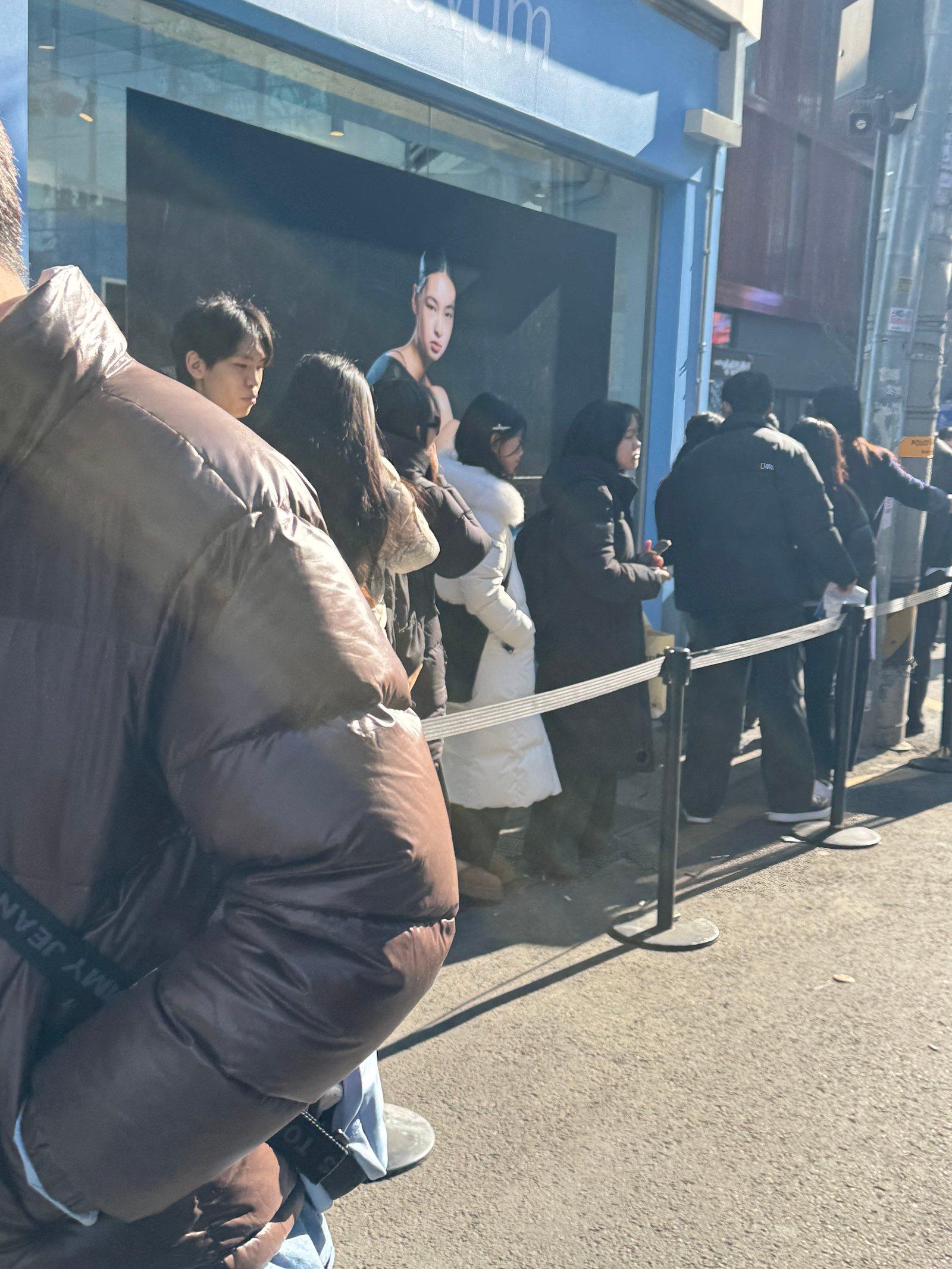
Experience marketing is a method that comes with operating costs. Brands open experience zones because letting people use a product is more persuasive than explaining it in words. But operating costs rise along with it. Consumables, equipment, staff training — it's a method that takes more work than a static display stand, so it's right to set aside a separate budget for operations staff and consumables from the planning stage.
Make hygiene a routine, not something done as needed. In an experience zone where many people take turns with the same devices, missing disinfection before or after use even once is immediately visible. Alcohol disinfection, single-use hygiene covers, even the order for returning a device to its stand after use — these have to be built into the flow so promoters can handle them with the same motions every time. Without this routine in place, both the person explaining and the customers waiting get worn out.
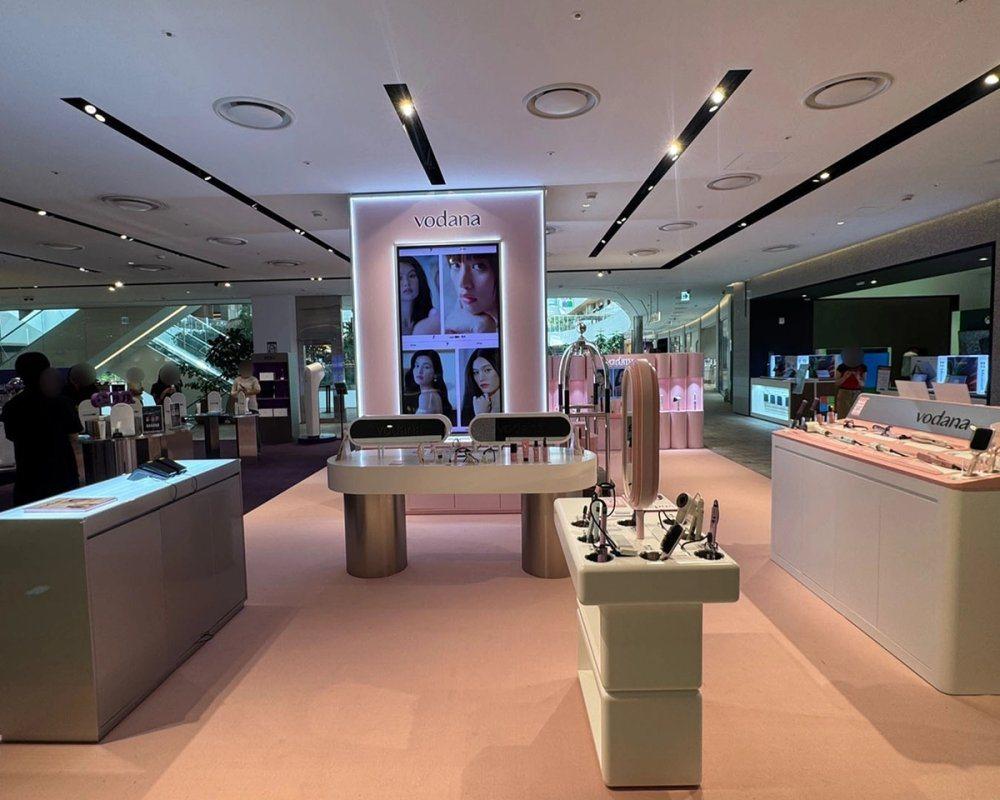
Promoters say the same things many times a day. How to use the devices, styling tips, how to join the events — promoters repeat these explanations throughout operating hours. When one person's explanation runs long, both the people waiting behind and the person trying the device get tired. So the scripts need to be broken into short, standardized pieces, and handover points need to be set out for shift changes. At the VODANA site, too, demos, 1:1 consultations, and first-come and roulette events all ran at once, and if these scripts differ from person to person, the quality of the experience becomes uneven as well.
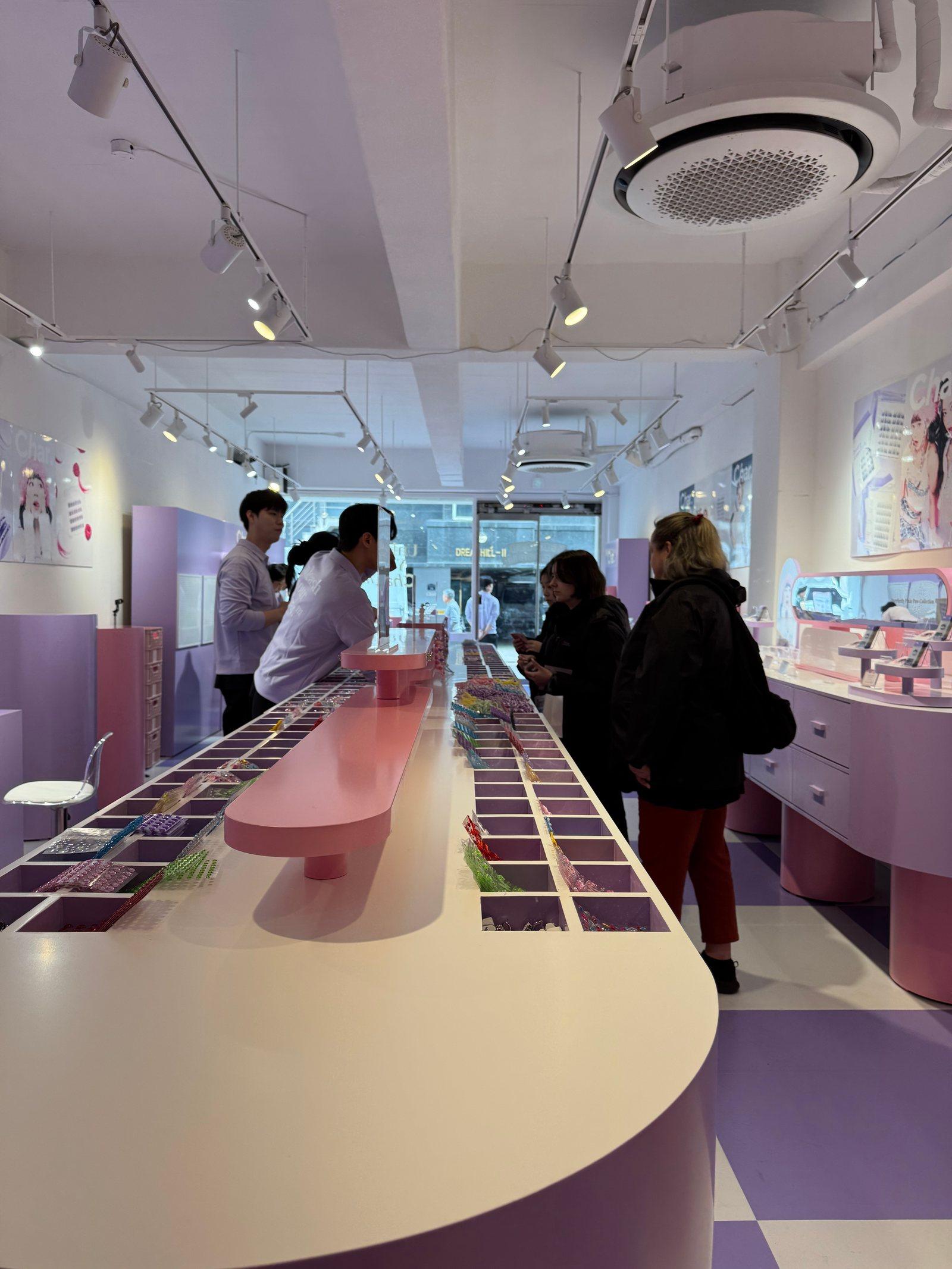
In the end, it's about making it repeatable. What matters in an experience popup isn't how polished the first day is but keeping the same quality through the last day. Consumables, equipment, hygiene, scripts — operations run steadily only when you can bring these four back to the same standard every day. Conversely, when these four slip, it shows in the experience quality no matter how good the space design is. TL CREATIVE has carried out 300+ space projects, including experience-zone operations like this.
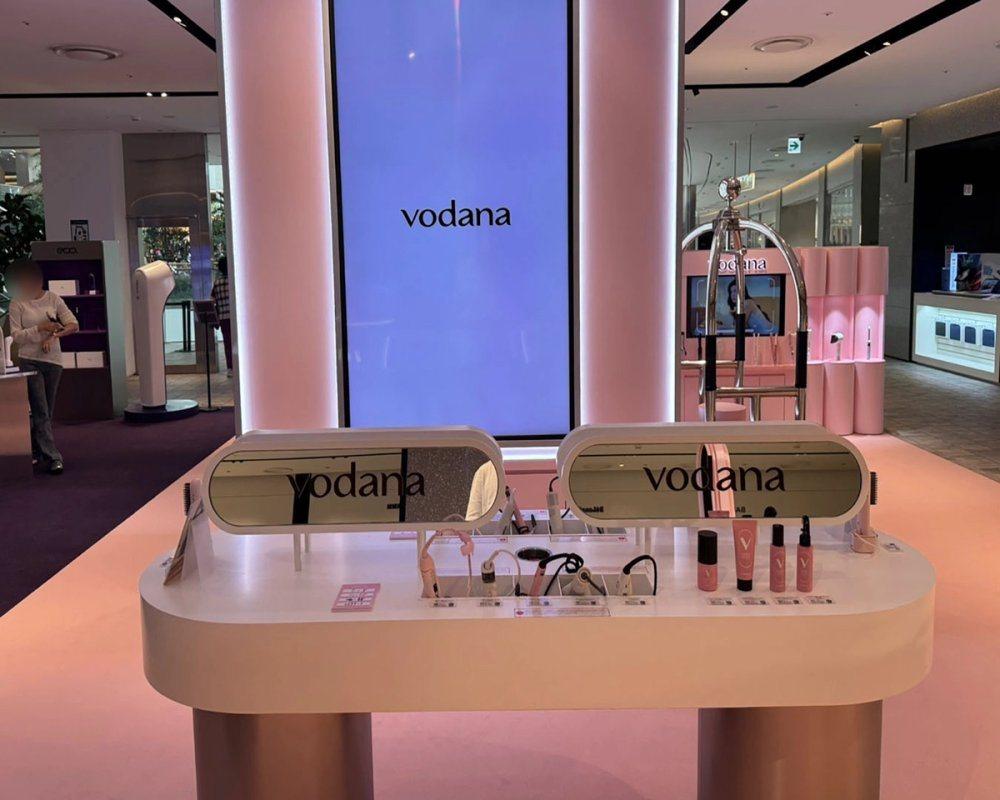
If you're preparing to run an experience popup, start by putting together the consumables and equipment checklist with us. We take inquiries through our website.
Original: https://tlcreative.co.kr/projects/hyundai-seoul-vodana-164