
Running a Department Store Pop-up Store: It Parts Ways With a Street Shop Starting at Load-in Hours

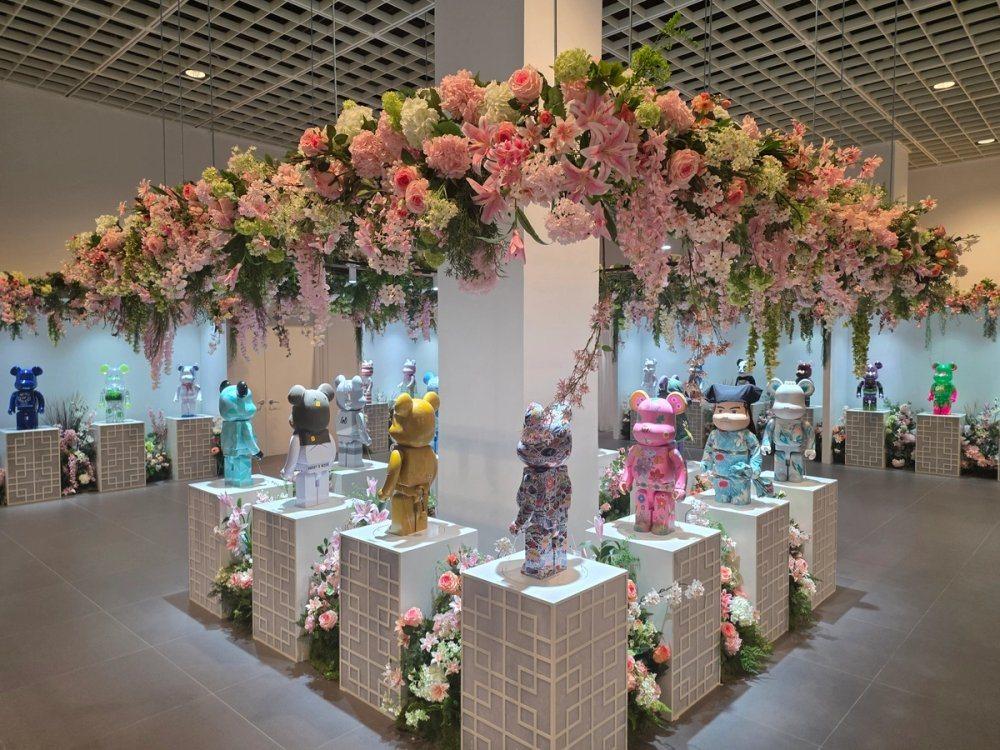
From October 1 to October 21, 2025, a touring exhibition celebrating the 20th anniversary of BE@RBRICK was held at ALT.1 on the 6th floor of The Hyundai Seoul in Yeouido. TL CREATIVE handled event operations for the exhibition. A department store pop-up store runs differently from a street-shop pop-up right from preparation. Procedures that come with being in a department store — load-in hours, tenancy rules, consultations with the MD — are added on top.
Why does a department store pop-up start with fixed load-in hours? Because of freight elevator schedules, store opening hours, and the facilities team's traffic management. At a street shop, it's settled once the landlord and the brand agree, but a department store is different. There are dozens of other stores in the building and goods have to move between them, so time slots have to be divided and assigned. That is why, when a pop-up manager arrives on site, the first thing they hear is “Load-in is only possible from this time to that time.”
Why do procedures you skip at a street shop appear at a department store? Because approvals from the MD and the facilities team are added separately. For a street-shop pop-up, once you stamp the contract and get the keys, preparation has effectively begun, but at a department store you often have to show floor plans and design drafts to the MD before moving in. There is also a separate fire and safety review. A revision request or two comes in during this process, and in practice it is common for the schedule to stretch here.
When should you start on paperwork so you're not late? We consider it safe to start the interior and load-in approval process typically two to three weeks before opening. Approval comes only once the drawings are final, and you can be assigned a load-in schedule only once approval comes. The more you push it back, the more likely you are to miss the time slot you want and get pushed into the early morning or late night. At a street shop, this kind of bottleneck is relatively rare.
What makes an exhibition-type space more demanding? Because artwork display and sales happen together, flow management carries more weight. ALT.1, where the BE@RBRICK exhibition was held, combined a garden-motif space with a photo zone and a merchandise sales zone. In places like this, the key is laying out the viewing flow and the purchasing flow so they don't overlap. At this exhibition, TL CREATIVE handled on-site operations as a whole: on-site staff and store management, visitor flow and safety management, and sales and event guidance.
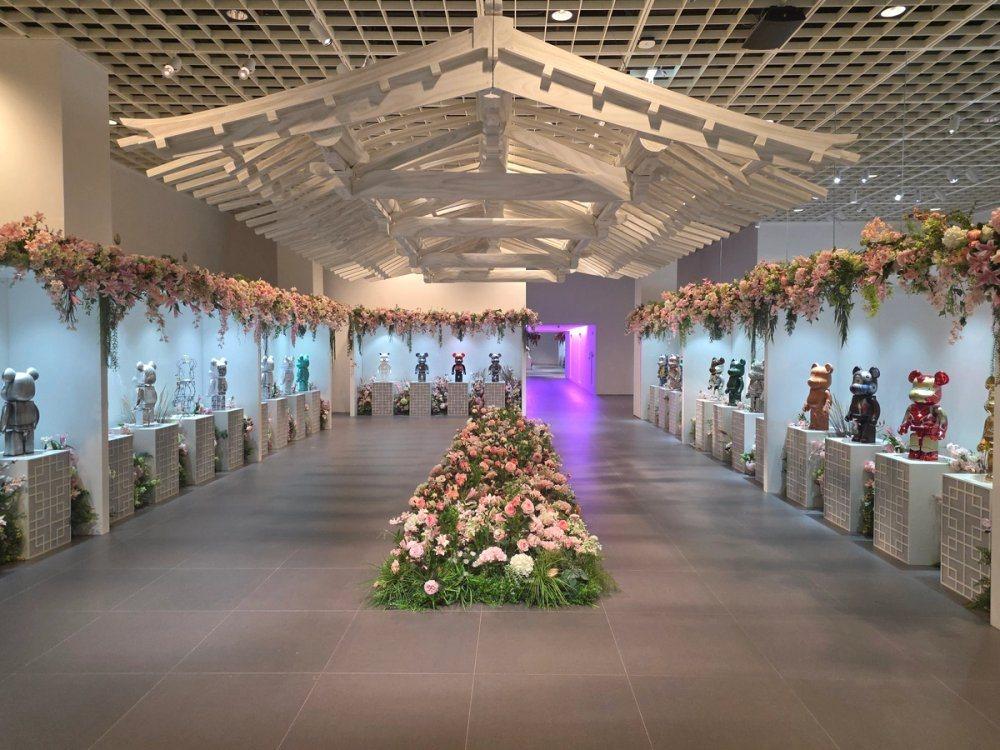
Who sets the pop-up's opening hours? They are set within the frame of the department store's overall business hours. That means an individual brand can't open late or close early as it pleases. This exhibition also ran from 10:30 a.m. to 8:30 p.m., in line with the store's operations. At a street shop, the brand generally has more room to adjust hours at its own discretion.
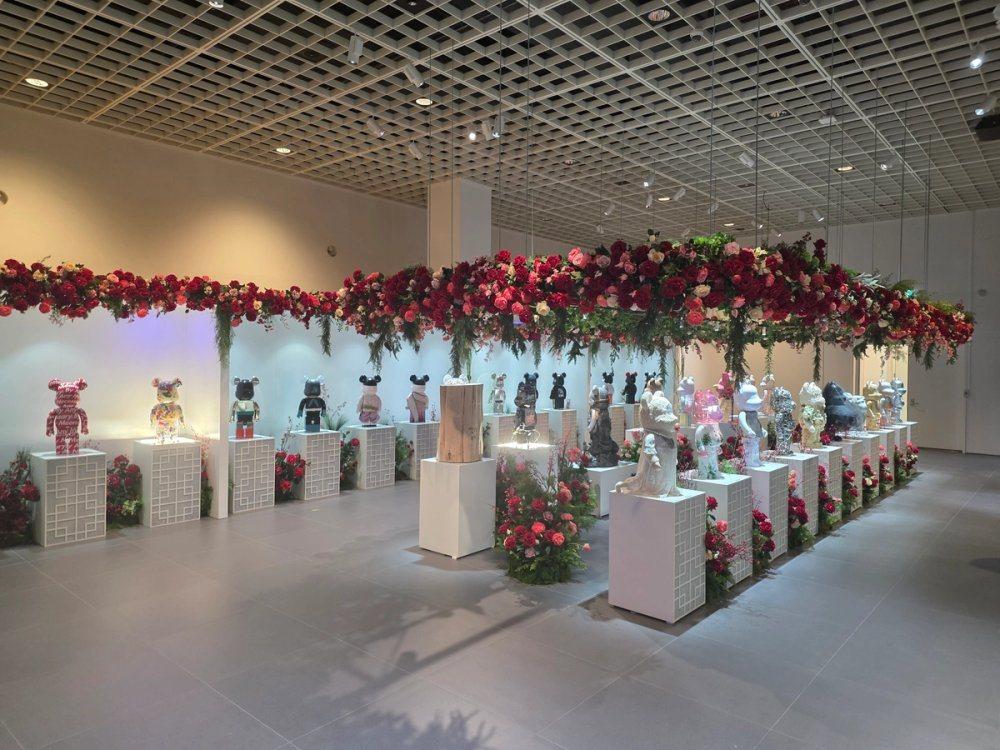
In MD consultations, where does our work end and the brand's begin? Generally, contract terms and settlement methods are between the brand and the department store, while on-site operations belong to the agency. That was exactly TL CREATIVE's scope on this project. Our area covered on-site staff, store management, flow and safety, and sales guidance, while the tenancy contract and commission negotiations were handled by the brand. If this division isn't made clear from the start, there will always be a moment on site when responsibility gets murky.
Does the paperwork differ by contract type? Yes. Department store tenancy is usually divided into direct purchase, specified-purchase (consignment), and lease (Type A / Type B), and each type has different settlement methods and required documents. These terms are set between the brand and the department store and aren't an area the agency is involved in, but the preparation for on-site operations does change depending on the type. For example, in an exhibition-type space with sales, you need to have the POS setup for settling sales and the receipt issuing process aligned in advance so you're not scrambling on opening day. So if you're the pop-up manager, we recommend checking this before you sign the contract.
So if you're considering a department store, we recommend drawing up the schedule before the space design. Work backward from opening day through load-in approval, MD consultations, and the fire review, and you'll find the actual working period is shorter than you think. Having run 300+ pop-up and event sites, TL CREATIVE has coordinated these procedures together with brands.
If you're preparing a department store pop-up or event operations, get in touch at the scheduling stage. That's when there's the most room to adjust. Original: https://www.tlcreative.co.kr/projects/hyundai-seoul-rbrick-world-190