
Back-to-Back Popup Runs: What Changes When You Prepare the Second One
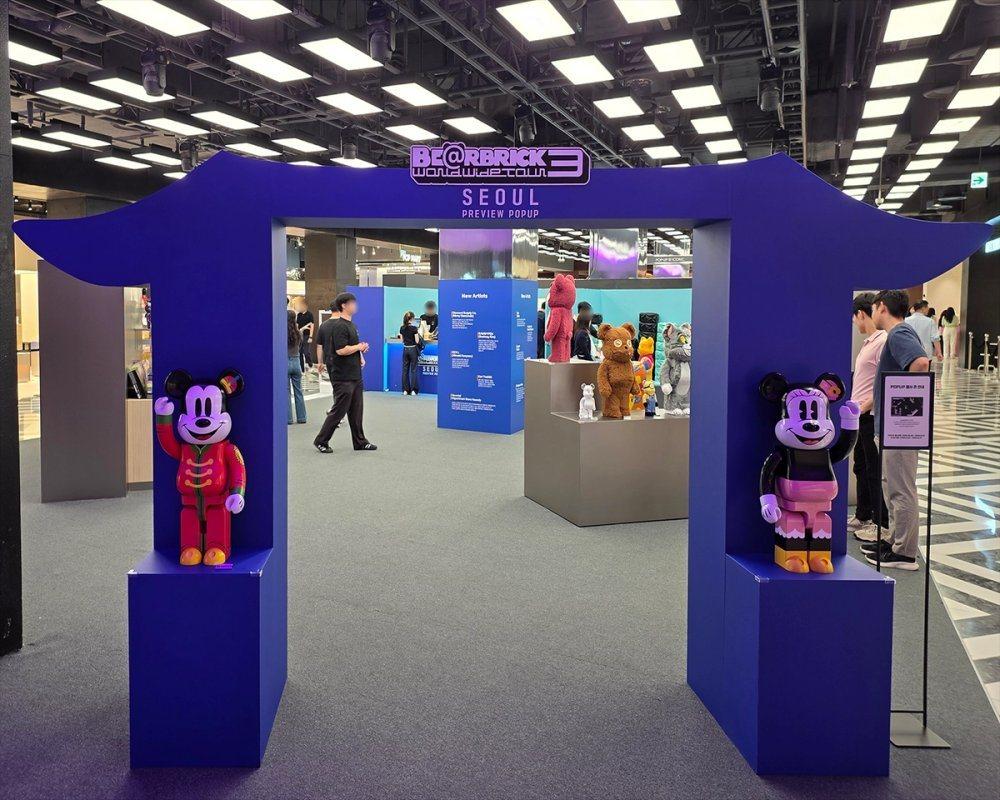
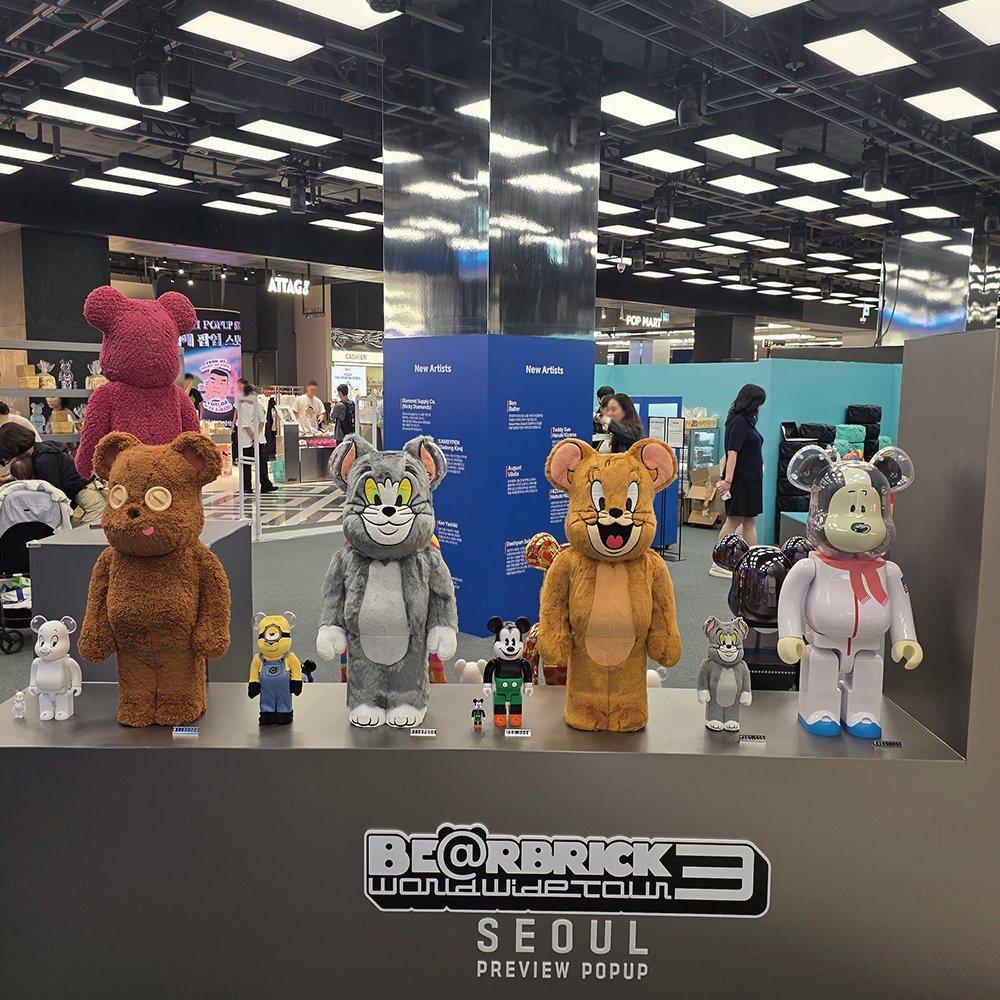
TL CREATIVE handled event operations for BE@RBRICK's 'WORLD WIDE TOUR 3' popup store, held at The Hyundai Seoul from Thursday, September 25 to Wednesday, October 1, 2025. As it happened, from October 1, the same day this popup ended, a touring exhibition marking BE@RBRICK's 20th anniversary opened right away in the same building. When the same brand opens runs back-to-back in the same space, popup store operations are prepared a little differently from a standalone popup opening for the first time.
When runs are scheduled back-to-back, what does the first run leave behind when it ends? Operating records. Information you can only confirm on site is left behind — the hours when visitors crowded in, the items that sold out quickly, the points where the queue got long — and it is usual to organize this and hand it over to the team preparing the next run. For a one-off popup, these records would never be used again, but when runs continue, it is a different story. They become an asset you can reuse as they are.
What happens to load-in time when the run changes on the same day? Teardown and installation interlock almost within the same window. This popup ending on October 1 and the next exhibition starting from the same date meant that teardown crews and installation crews had to move through the same space during overlapping hours. In a case like this, whether the team has already been through the site and knows the freight routes and the available load-in times makes quite a big difference. Had it been a site being entered for the first time, a schedule this tight would have been hard to handle.
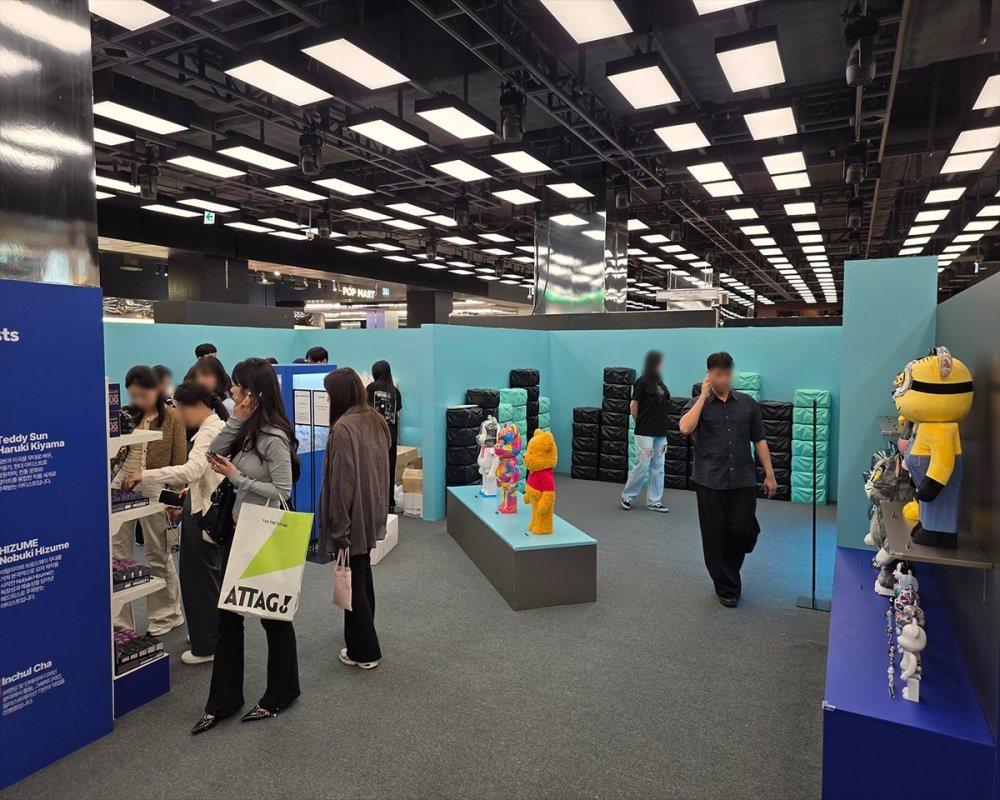
Can you carry over the first run's staffing as it is? It is rare to carry it over unchanged. If the first run shows a pattern of visitors crowding at certain times or in certain corners, the usual adjustment is to staff those points more heavily in the next run. Conversely, quiet sections get fewer staff, who are reassigned elsewhere. Without this adjustment, the same bottlenecks repeat in the second run.
Why does queue management get better in the second run? Because you have already seen once where the line got tangled. This popup also had elements that required waiting, such as the lucky draw event zone, and zones like this tend to produce one or two points in the first run where the queue blocks the way into other corners. Mark those points and reflect them in the next run's layout plan, and the same problem does not repeat. Adjusting the positions of guide signage and the estimated-wait notices is usually done at this stage as well.
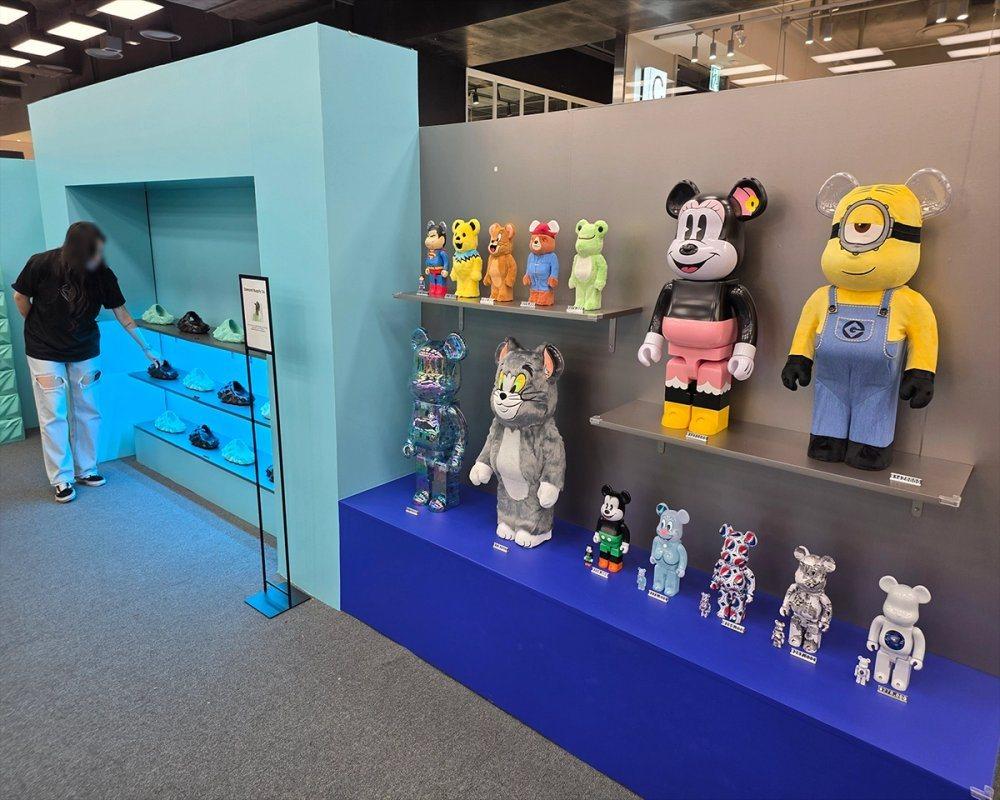
If the exhibition layout differs each run, does the operating plan change too? It does. The exhibition that followed was introduced as showing around 120 works, and when the exhibition layout changes from run to run like this, the length of the viewing route and the time it takes change along with it, so staffing and the way you guide people have to be recalculated every time. Even with operating data built up in the first run, this is the point where it becomes hard to carry it over as is if the layout itself changes. So preparing the second run means using the first run as a reference point while also reworking as much as the layout has changed.
Do operating hours stay the same when the run changes? Broadly, they stay similar. This popup ran from 10:30 a.m. to 8:30 p.m., and since a follow-up exhibition in the same building also moves within the department store's overall business flow, it is hard to widen the operating hours much. What changes from run to run instead is when and where staff are placed within those hours.
So if you are preparing back-to-back popup runs, we recommend making a habit of keeping operating records before the first run even ends. Just noting the crowded hours, the blocked routes, and where staff fell short clearly cuts the preparation time for the next run. The records do not need to be elaborate. Having promoters jot down just three points where things got stuck that day after closing is enough. TL CREATIVE has handled these handovers between runs with a number of brands while operating 300+ popup and event sites.
If you plan to open popups back-to-back in the same space, get in touch from the first run's operating stage. Those records become the starting point for the second run. Original article: https://www.tlcreative.co.kr/projects/hyundai-seoul-rbrick-182