
Popups Inside Department Stores Move Differently, Starting With MD Talks and Load-In Rules
“The drawings are all done, so why don't we have a load-in schedule yet?” It is a question every manager handling a department store popup for the first time asks at least once.
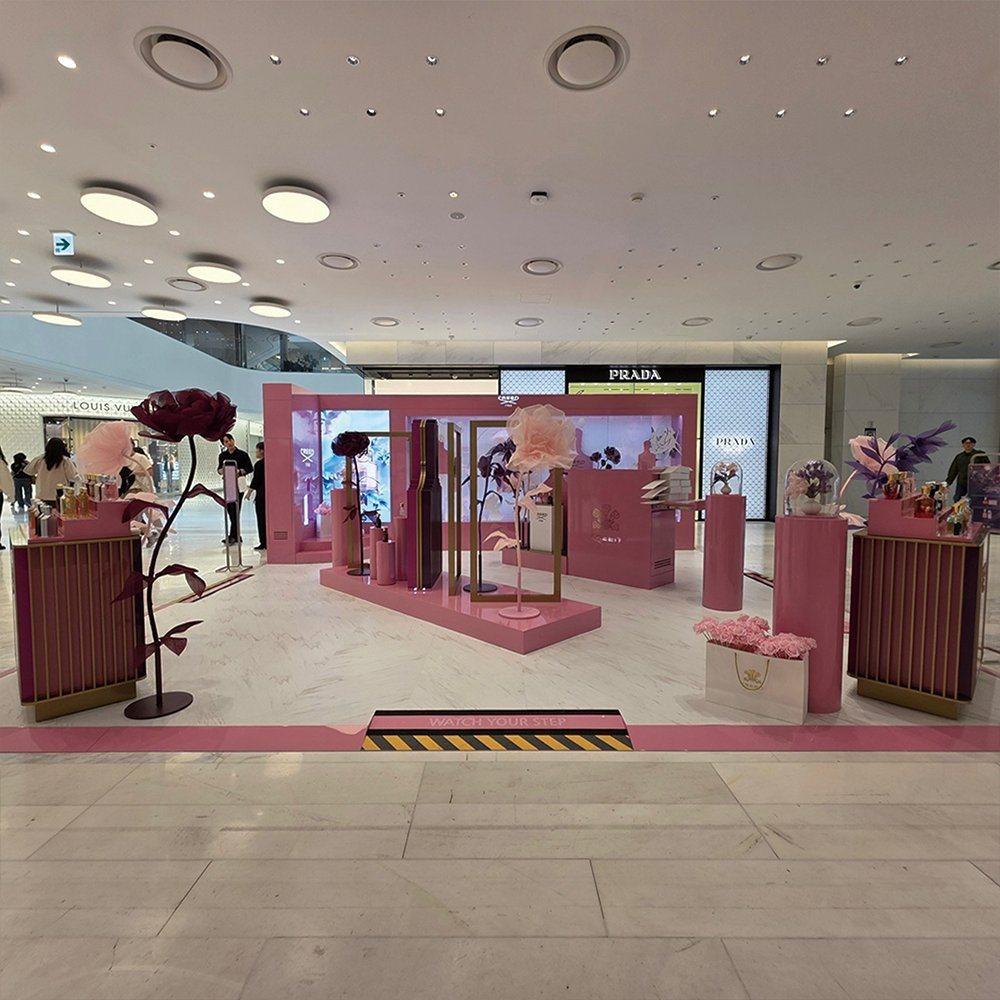
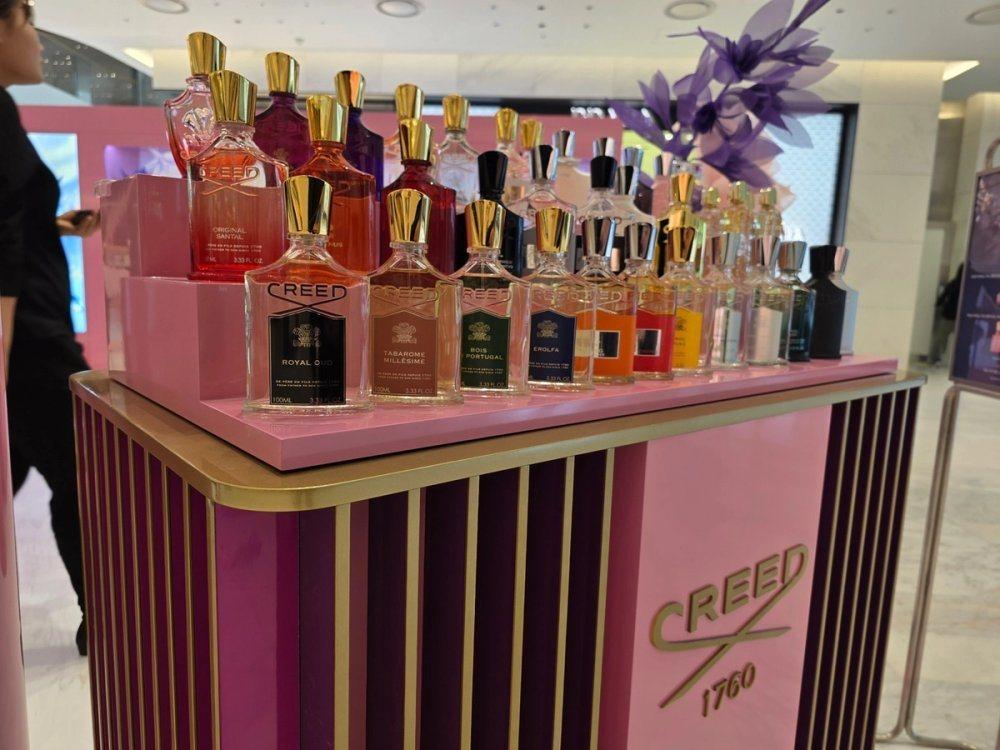
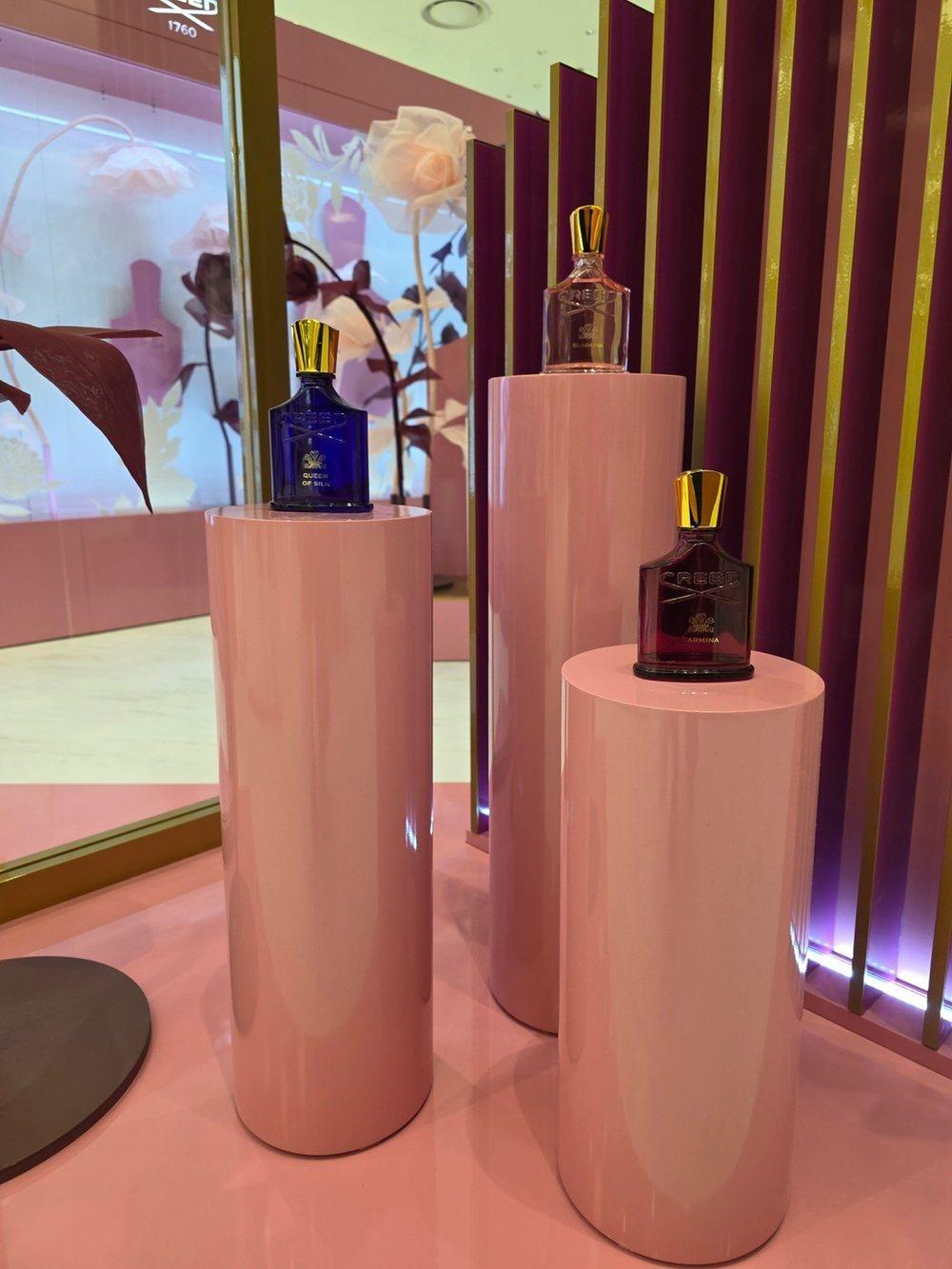
From April 18 to 30, 2025, a popup store for 'Eladaria', a new fragrance from the global fragrance brand CREED, opened at The Hyundai Seoul. Opening hours were 10:30 a.m. to 8 p.m., and TL CREATIVE was solely in charge of event operations on site. We placed promoters able to communicate in foreign languages to handle scent-testing guidance for customers, product explanations, and flow management. Before you get into operations like these, though, a department store popup has one more layer of procedure to go through than a street-level store.
Why does a department store popup have to go through the MD from the start? With a street-level store, you can start preparing from the day the space owner and the brand sign the contract. A department store is different. You first have to show your drawings and display drafts to the MD and get confirmation that they meet display guidelines such as aisle width and fixture height. Until that approval comes through, not even the load-in schedule gets set. So with a department store popup, the right order is to draw up the approval-process timeline before the space design.
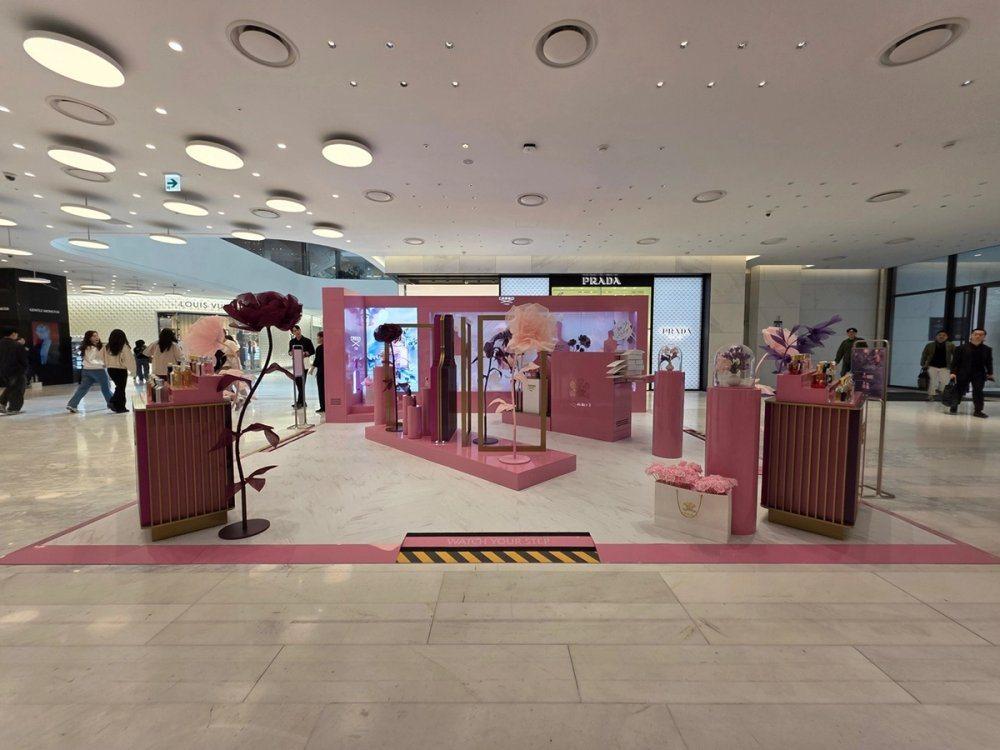
Fragrance brands have one more layer of load-in rules If a brand uses testers containing perfume or alcohol, there is often one more safety check attached. A street-level store is an independent space used only by that brand, so testers can be handled relatively freely, but a department store has to follow safety standards for the whole building, so it is common to have to give notice of the tester types and how they are stored in advance. Start this check late, and you end up reworking the tester setup right before opening. For beauty and fragrance brands, it is safer to put this procedure into the schedule separately from display approval.
Load-in time is assigned, not negotiated Because freight elevators, store business hours, and even the facilities team's movements are all tangled together, load-in time is not something the manager can pick at will. At the CREED site, too, the whole schedule was built within the frame of the department store's operating hours, 10:30 a.m. to 8 p.m., and load-in was assigned to time slots outside that frame. The later you apply, the further you get pushed into early-morning or late-night slots, and that is much the same at any department store.
Things you keep aligning with the MD even after opening MD consultation is not something that ends before opening. When you change the promotion schedule during operation or need to replace part of the display, you have to go through the MD again for confirmation. Over a period of nearly two weeks, like the CREED site, this kind of coordination comes up once or twice. Because a department store mixes other stores and shared spaces, changing one store arbitrarily affects the overall flow. Things a street-level store could change the same day at the brand's discretion go through one more approval step in a department store. So in department store operations, setting up the communication system for during operation in advance matters as much as the paperwork before opening.
Even within the same department store, the scope of work is bundled differently Not every department store popup is operations-only. At another beauty popup at The Hyundai Seoul, we handled the whole process, from planning, space design, VMD, and fixture production through on-site operations. The CREED site was operations-only, but whatever scope you take on, the framework of MD approval and load-in rules itself applies the same way. Whether you handle everything from planning to fixture production or come in only for operations, the number of approval steps the manager goes through does not change much. In other words, being in a department store is a variable that is fixed before the scope of work.
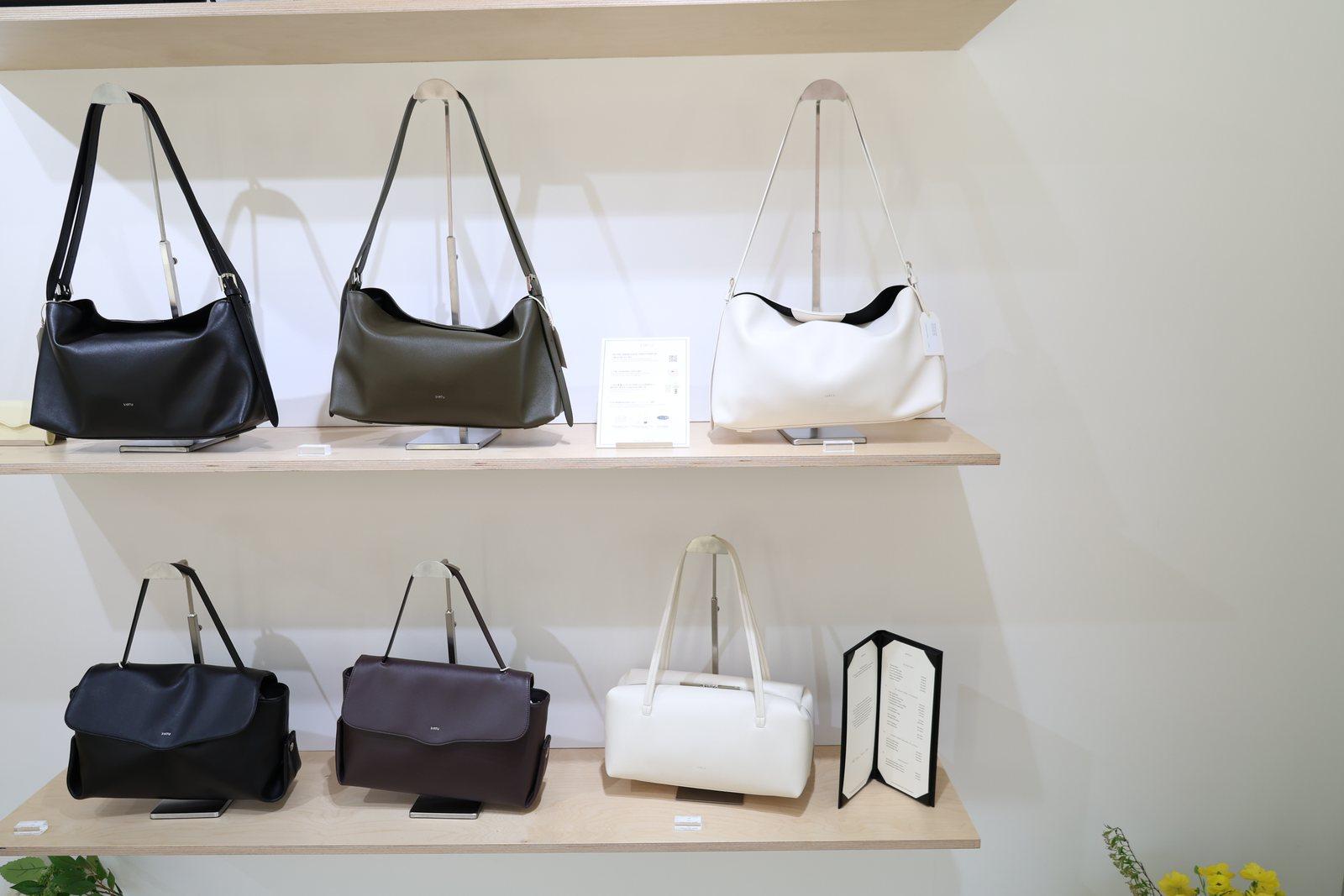
How much shorter does this process get at a street-level store? At a street-level site like the SARTU popup in Seongsu, where we handled planning, space design, VMD, and operations, there is no MD approval step at all. Only the brand renting the space, us, and the building owner need to coordinate. If you want to change the display, you can change it that same day, and load-in times are also set relatively flexibly around the building's circumstances. Compared with a department store, one approving party drops out entirely. Moving between the two conditions with the same operations team, you can tell at a glance that the department store checklist is much longer.
If you are preparing a popup inside a department store, we recommend checking MD consultation and load-in rules first. If the drawings are finalized late, approval and the load-in schedule are delayed along with them, and since the opening date cannot be pulled around, that delay comes straight out of your preparation time. TL CREATIVE has coordinated these procedures together with brands across 300+ popup and event sites.
Original article: https://tlcreative.co.kr/projects/hyundai-seoul-creed-8