
Running a Tasting Zone at a Food Popup Store Is Different, From Hygiene Labeling to Visitor Flow
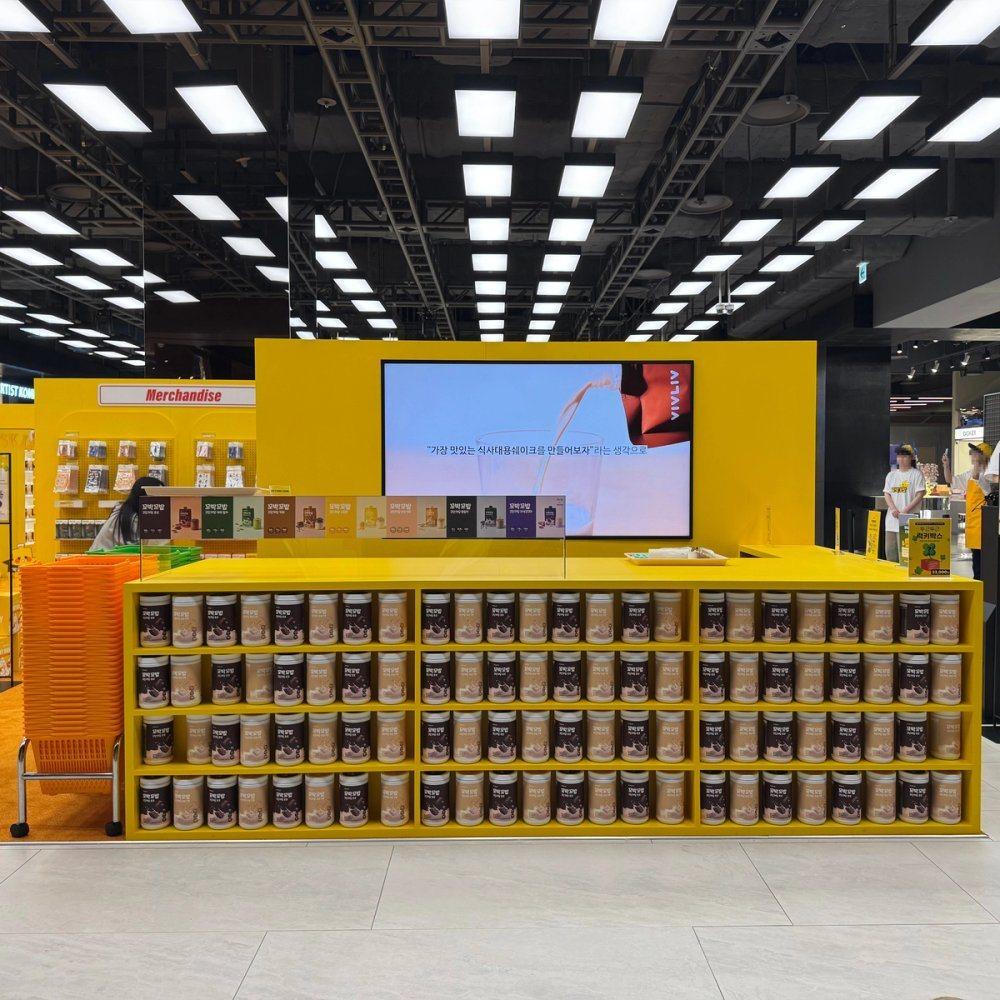
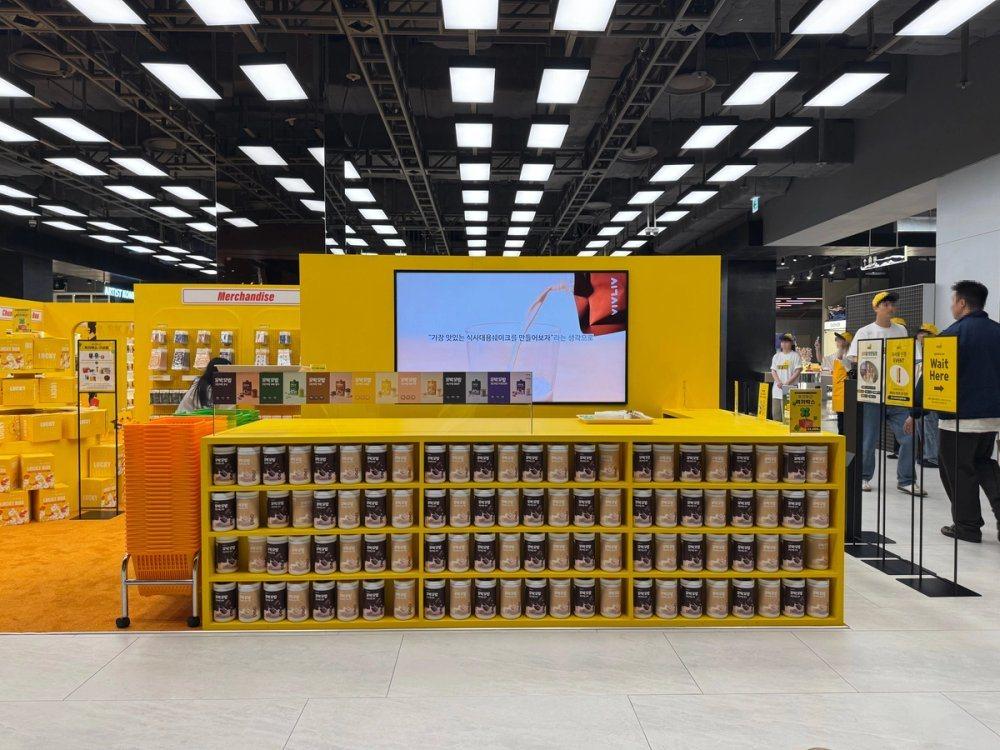
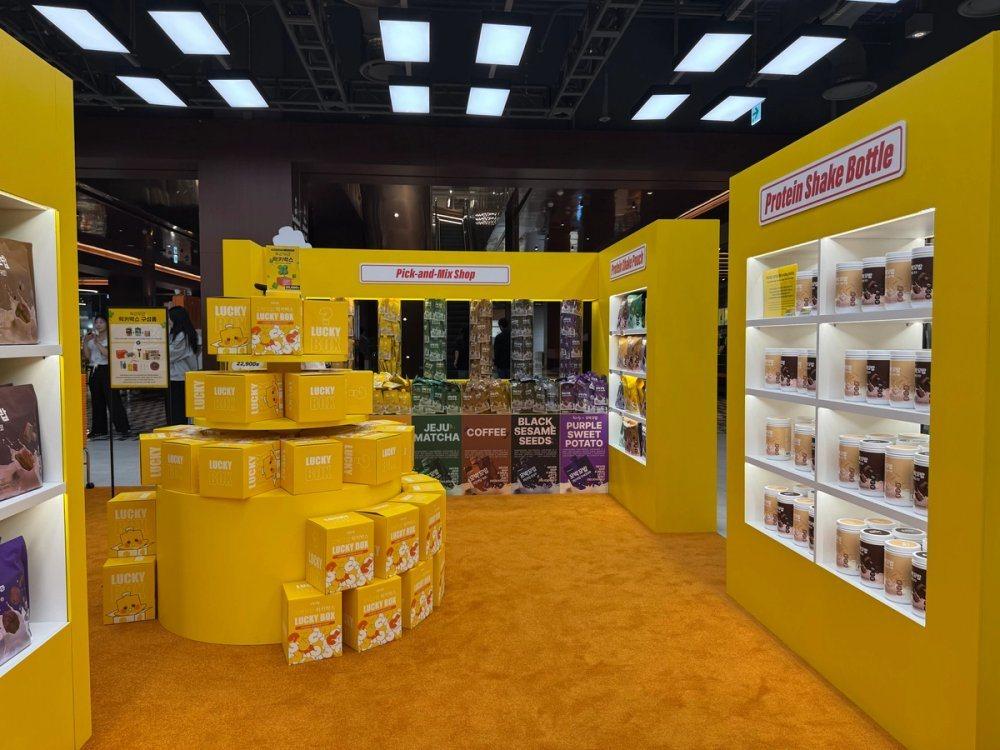
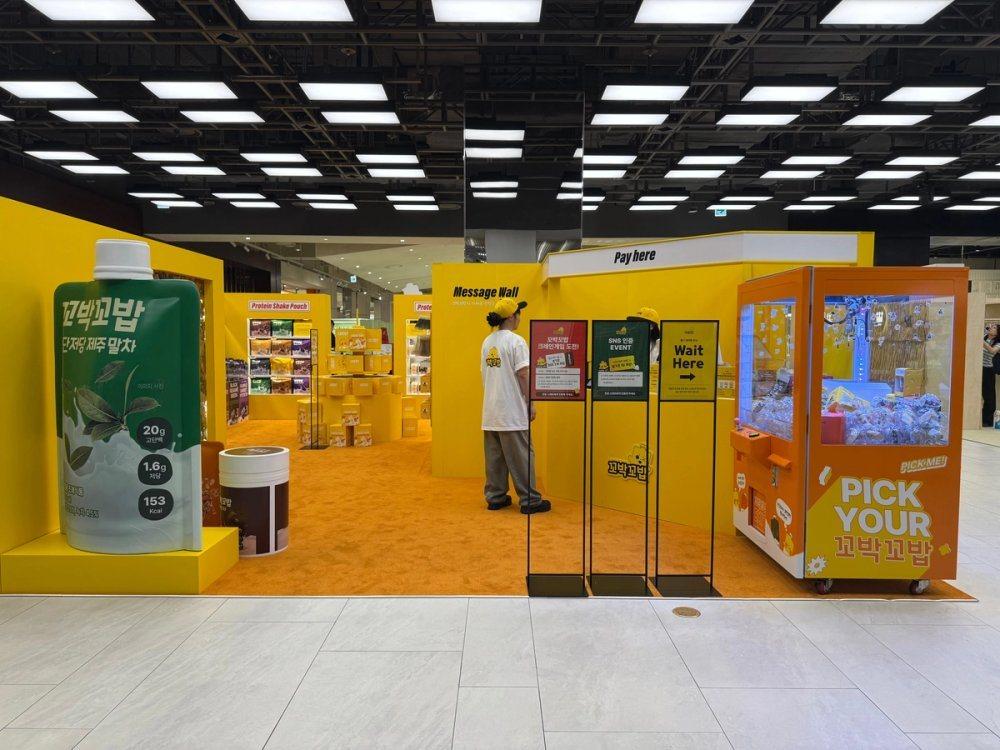
Putting a tasting counter next to a popup display may not sound like much, but on site it is a completely different story. That was the case with the VIVLIV Kkobak Kkobap popup store, held for two weeks from May 15 to 28, 2025 at The Hyundai Seoul (108 Yeoui-daero, Yeongdeungpo-gu, Seoul). It ran every day from 10:30 a.m. to 8:30 p.m., divided into a tasting zone, a sales zone, and an event zone.
A regular merchandise popup rarely runs into serious trouble as long as the visitor flow is well planned. The moment food comes in, though, hygiene, labeling, and flow all become issues at once. You are not just adding a tasting table; you are taking on a whole set of regulations.
Why should the tasting zone be kept apart from the sales zone?
If the tasting area sits right next to checkout, hygiene control and cash handling get tangled together. Food dropped during tasting landing around the register is one problem, but when the staff serving samples also handle money with their hands, that in itself becomes a hygiene issue. That is why physically separating the tasting zone, the sales zone, and the cashier area is close to a rule in the industry. It is also the reason this popup was run in three sections: a tasting zone, a sales zone, and an event zone.
The standard for separation is hands, more than distance. The first step is to assign positions so that the hands portioning samples, the hands taking payment, and the hands restocking do not overlap. If the space is too tight to separate completely, it is better to at least fix which staff handle which task.
What labeling do you need to take care of when handing out food?
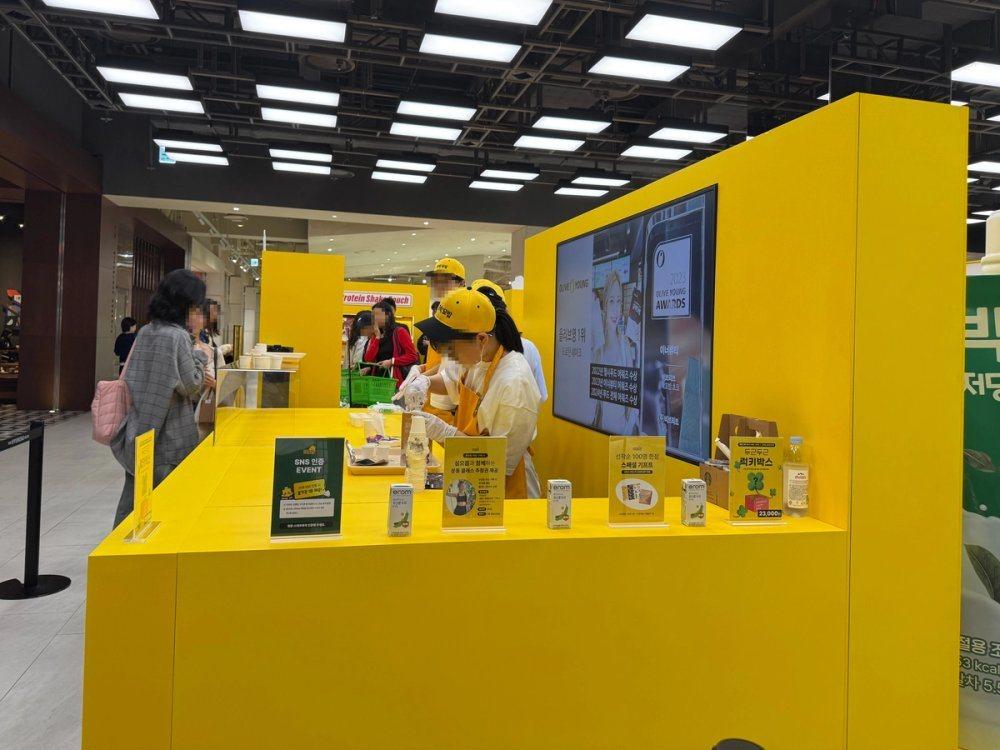
Food that is cooked and served is subject to country-of-origin labeling. A store handling agricultural or fishery products or their processed goods must disclose origin under the Act on the Origin Labeling of Agricultural and Fishery Products, and cooking and selling products of different origins mixed together is also prohibited. When handing out manufactured or processed food, you also have to follow labeling standards such as product name, food type, date of manufacture, and nutrition information. Wearing sanitary gloves and caps at the tasting table and never reusing a portioning cup once it has been used are close to defaults on site.
It is safest to print the labels as physical copies by the day before opening and try attaching them to the tasting table. If the font size or placement is unclear, visitors simply walk past without reading them. It also serves as a record that the regulations were followed.
Are the rules stricter inside a department store?
For a store inside a department store, there are often separate in-house hygiene rules to take care of. That said, the documents and procedures required differ a little by store and by event, so the most accurate approach is to confirm with the MD in charge in advance. If you handle uncertain points by improvising on site, there are cases where the tasting zone cannot open at all on opening day.
Bringing a prepared list of items to confirm makes the discussion much faster. The basics are how samples will be served, whether cooking equipment can be used, the hygiene documents to submit, and the waste disposal route. If you order fixtures while even one of these is still unanswered, you end up making them again later.
What changes when one team handles cashiers, flow, and influencer hosting?
At this popup, TL CREATIVE's scope covered cashier operation, flow management, staffing, customer service, and on-site hosting of invited influencers. Once a tasting zone is involved, staffing definitely becomes tighter. You need separate staff for tasting guidance, cashiering, and flow control, but they also have to work in sync. Influencer hosting in particular makes things uncomfortable for both sides if it overlaps with general visitor flow, so it is better to schedule it separately.
Staffing charts are best split by time slot. The size of the crowd differs between lunch and dinner hours, and tasting staff need a break in the middle to reset hygiene. If you do not set shift-change times, positions go empty at the busiest moment.
Where should the lucky box event zone go so the flow does not get tangled?
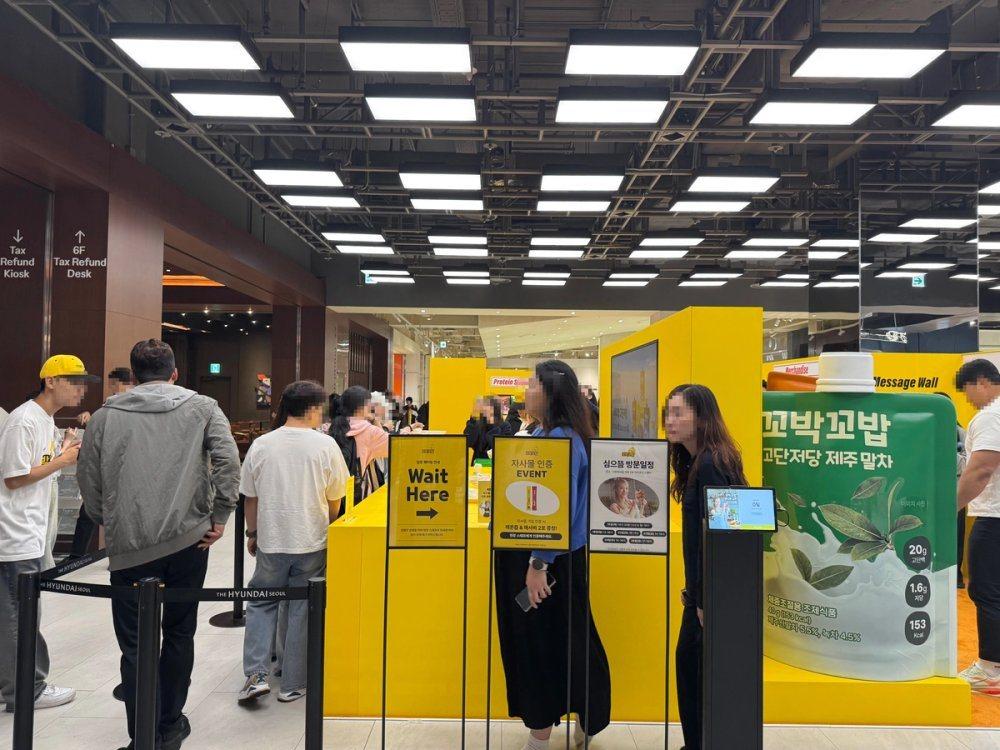
The event zone is often placed right next to the sales zone. For a purchase-linked event like a lucky box, it is natural to plan the flow so visitors can join immediately after paying. The tasting zone, on the other hand, is better set a little apart from the sales and event flow so that the lines at the back do not overlap even when crowds build. How these three sections are arranged decides how comfortably you can take in a day's visitors.
Drawing where waiting lines will form on the floor plan in advance makes decisions easier. Whether a line blocks the aisle or covers the entrance of the store next door shows up on the plan first.
A food popup clearly has more to take care of than a regular merchandise popup. But put the other way, if you sort out these points in advance, the problems that would erupt on site drop sharply.
If you are preparing a popup that includes a food tasting zone, we recommend reviewing everything from hygiene and labeling rules to staffing. TL CREATIVE has run 300+ popup and event projects and has experience handling on-site operations with this kind of setup. Feel free to get in touch. Original: https://www.tlcreative.co.kr/projects/hyundai-seoul-60