
Running a Popup Experience Zone: Content Planning and On-Site Operations Need to Be Looked at Separately
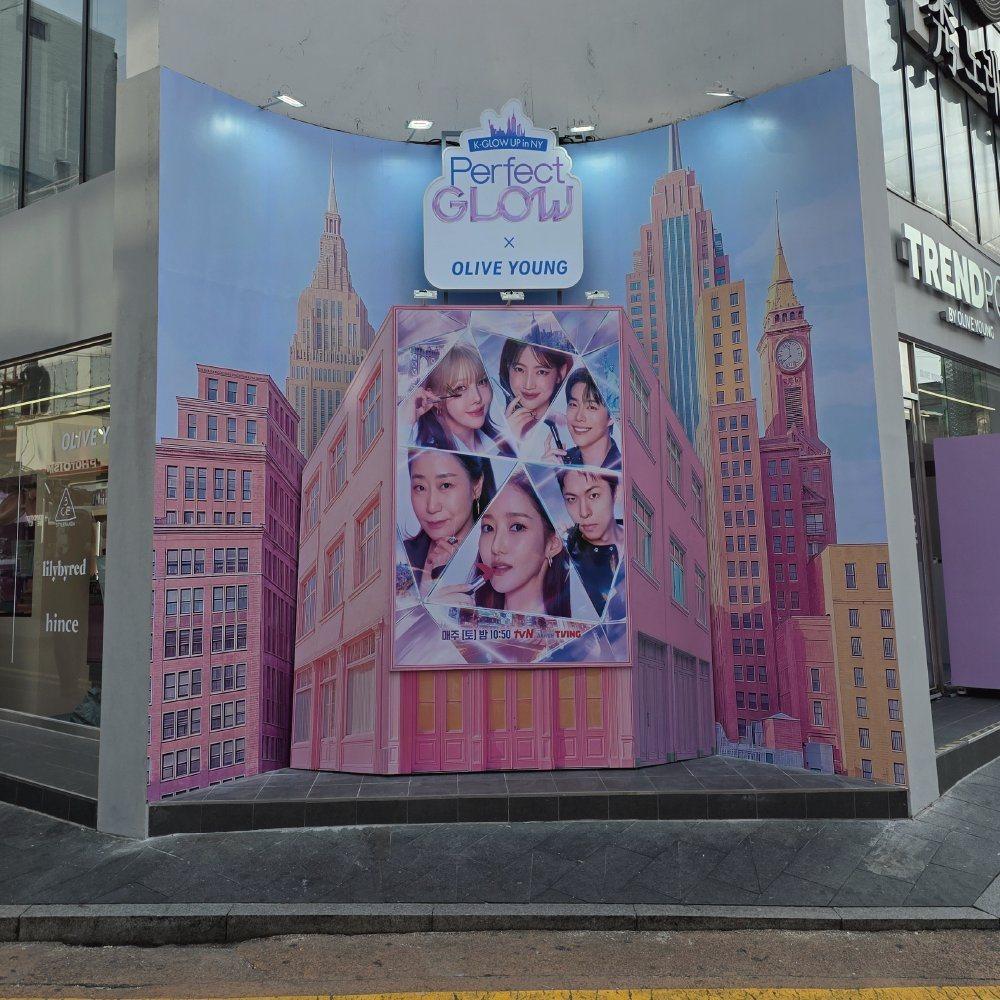
When a client says they want to build a popup experience zone, the first thing they usually ask about is how the photo zone will be run. But what the operations agency actually receives is often not a finished plan but a single route sheet. The more smoothly a brand experience popup runs, the more the planning and operations teams have aligned behind the scenes in advance.
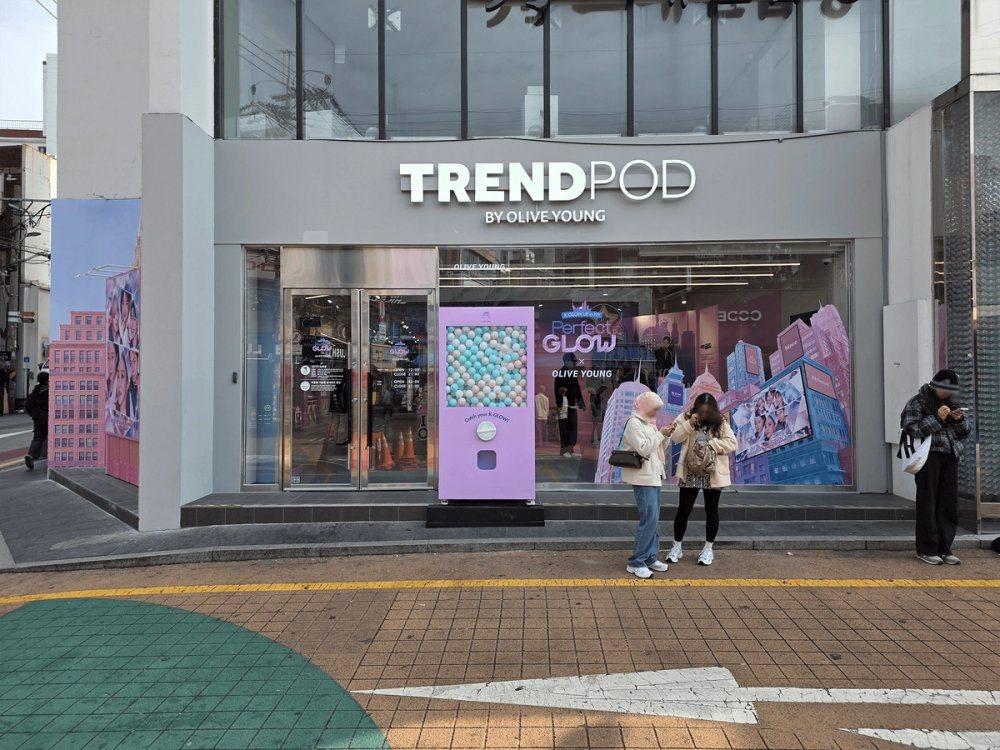
The same was true of ROUND LAB's clean beauty experience popup, held from November 1 to 23 at Olive Young Trend Pot in Hongdae, Mapo-gu, Seoul. It was open every day from 12 noon to 9 p.m. for three weeks, and TL CREATIVE oversaw the experience event operations as well as on-site guest flow and safety management for this popup.
Running an experience zone starts after planning is done
Designing the content and running that content every day are completely different roles. Only once the experience order, duration, and props set by the planning team are confirmed can the operations team plan the staffing and queue management needed to repeat it at the same quality every day. If this boundary is unclear, a slightly different popup opens on site each day.
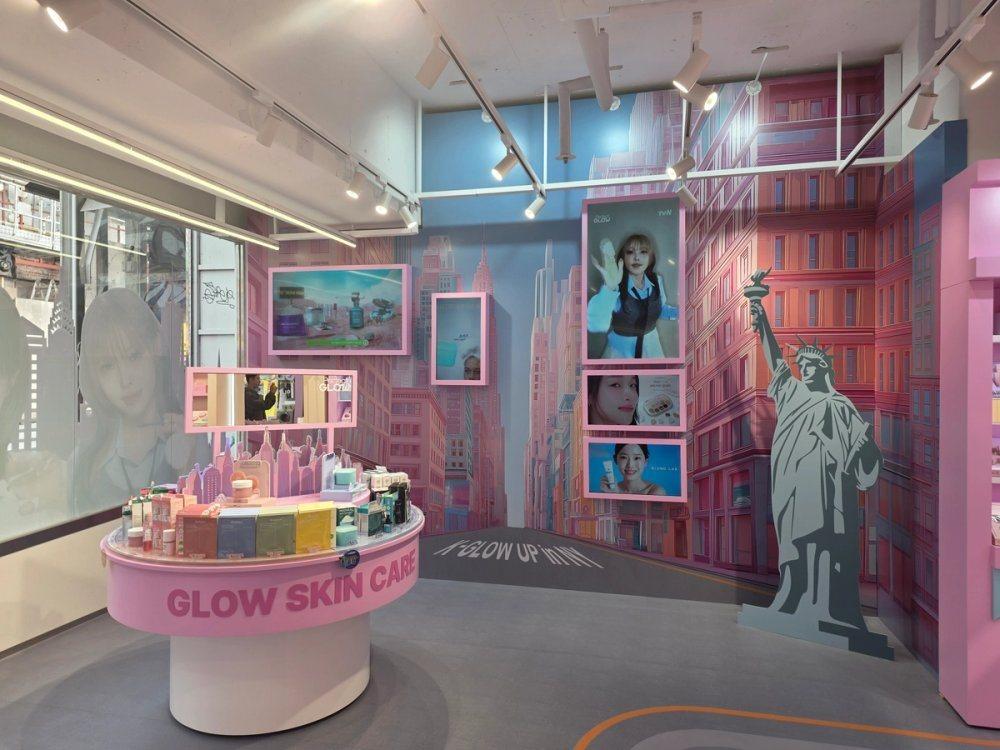
The ROUND LAB popup had a story-driven route: visitors entered with a recycling ticket made from empty containers, moved through media art, participatory games, and an upcycling exhibition, and ended with limited-edition merchandise. In a structure like this, the entry method itself is already part of the experience, so the operations team has to watch how long people stay in each section more closely than the content order.
If entry is an experience, the waiting line has to be planned differently
In a typical popup, entry moves quickly and the experience inside moves slowly. But if you make entry itself participatory, like exchanging for a recycling ticket, it takes time from the entrance onward. So you need to set aside a generous, separate waiting area in front of the entrance so that the backlog doesn't push all the way into the experience zones inside.
What you need to look at together when setting the waiting line is the route of people in line and that of people just walking by. If the two overlap, the front of the store gets tangled fast. The usual approach is to run the queue along one wall and leave a separate walkway.
Generally, popups with experience zones mix short content that people enjoy and move on from, like mini-game zones or photo zones, with content where people stay longer, like exhibitions or media art, on the same route. You have to calculate the expected dwell time of each separately when placing them so that lines don't pile up on one side.
Experience content these days is moving toward immersive formats that take one person at a time, so it is fair to say lines are essentially built into the structure. That is why the standard for how many minutes each person's experience takes is often set first, with staff standing by to make sure it is kept. If you open without a standard, the line behind gets pushed back by exactly as long as the person in front stays.
A three-week popup is a test of stamina
A one-day event and a three-week popup are run differently. To run the experience at the same intensity every day, staff have to be rotated by the week, not by the day. If a pattern emerges where visitors crowd in on certain days, it is better to adjust by adding staff only on those days.
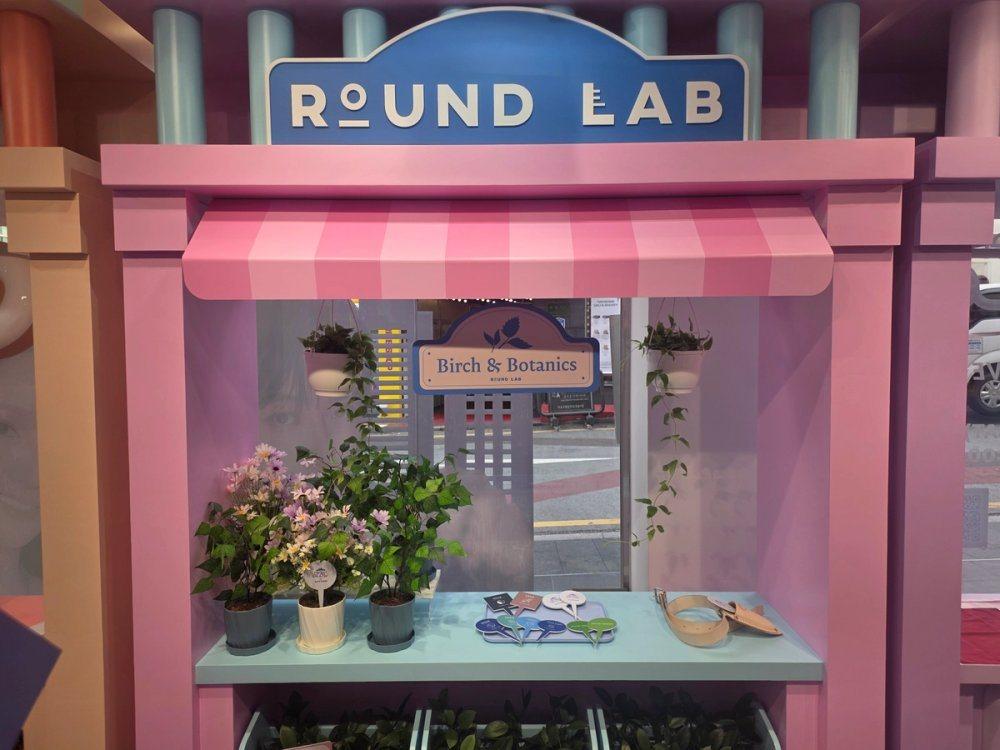
The experience zone content also needs to be checked along the way to see whether it holds up at the same level for all three weeks. Elements that physically wear out, like upcycling exhibits or merchandise stock, can easily be in different condition at the start and at the end.
In a popup with long operating hours, density varies even within a single day. Visitor flow during the day and after work can't be the same, so setting different staff numbers by time slot reduces situations where lines get long only at certain hours.
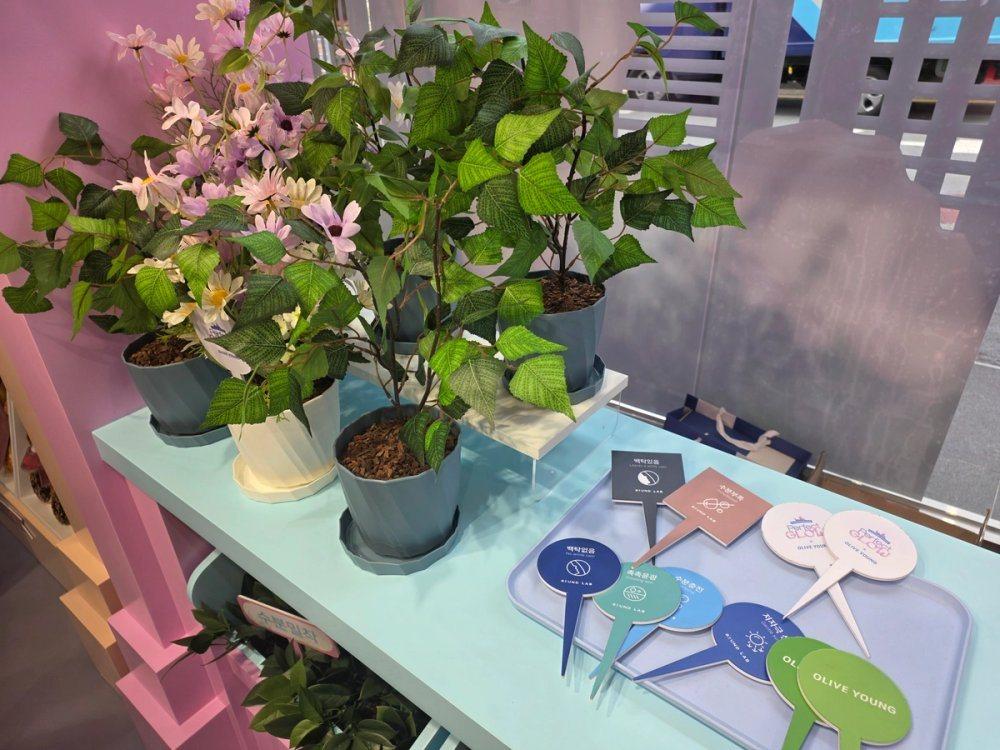
What the operations team should align on with the planning team in advance
When you take on only the operations of a popup that includes an experience zone, there are a few things to confirm before it starts: the expected duration of each experience section, the criteria for responding when content changes or stops, and where peak-hour staff will come from. If these three are sorted out, operations run at the same quality for all three weeks.
Conversely, if these are left blank at the planning stage, there are more sections where the operations team has to make improvised calls on site. Then the quality of operations in the first week and the last week is likely to differ.
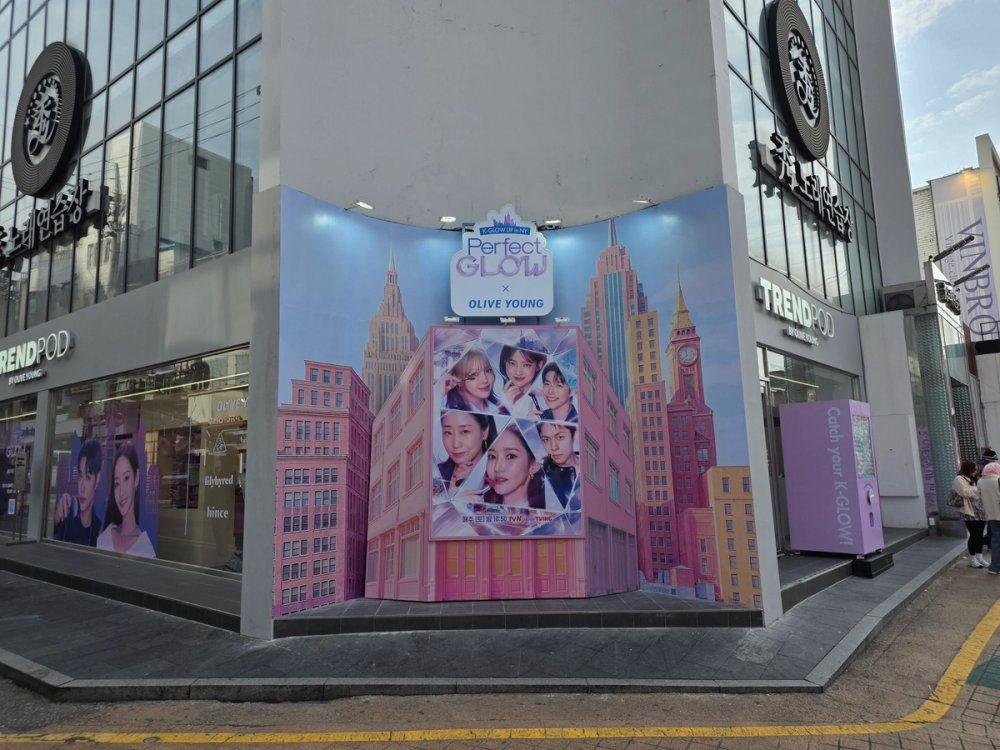
For a popup with an experience zone, good content alone isn't enough; it needs an operations design that can run that content at the same rhythm for weeks. If you are splitting planning and operations between different parties, we recommend dividing this part clearly from the start.
TL CREATIVE has carried out 300+ projects, from popup planning to on-site operations. If you are planning to hand over operations for a popup with an experience zone, get in touch early, around the time the route sheet comes out.
Original: https://www.tlcreative.co.kr/projects/hongdae-round-lab-192